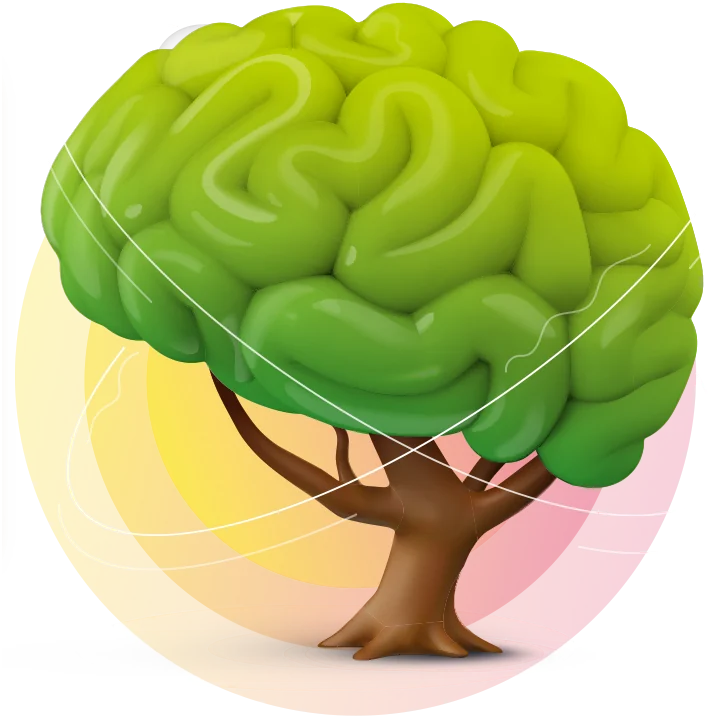
Broca's area
- Handles language production
- The brain area involved in speaking and building language
- Used to plan what to say and put it into words
Building strong reading and speaking skills in young children
2026 International Business Awards (IBA)Two Bronze Stevie Awards
2026 International Business Awards (IBA)
Double winner
The International Business Awards are run by the Stevie Awards in the United States, one of the world's most prestigious business awards programs. They honor outstanding organizations and people worldwide, whatever their size or industry.
English content built on a speaking threshold that stimulates children's language areas of the brain
A systematic curriculum linking content for language-learning devices with teacher training
Expanding into Asian markets such as Thailand, Mongolia and China on proven results in Korea
What early English needs now is not a bigger vocabulary but an experience where understanding and expression connect naturally. A 2:8 class of learning (學) and practice (習) that links the brain that understands with the brain that speaks, 6,644 core words over three years at ages 5, 6 and 7, and a daily 10-minute routine of hearing a native sentence once and repeating it once. It does not stop at learning English. It builds the confidence to speak on one's own in everyday life.
Listen and read to understand what the English means — Wernicke's area
Plan what to say, then say it — Broca's area
Fluency in English does not come from knowing many words. It comes from an accumulation of experience in which understanding and expression connect naturally.
Scroll for the next step
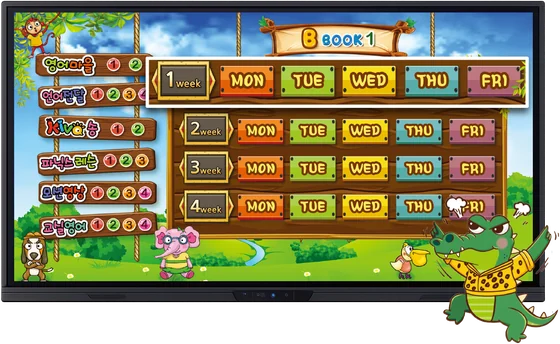
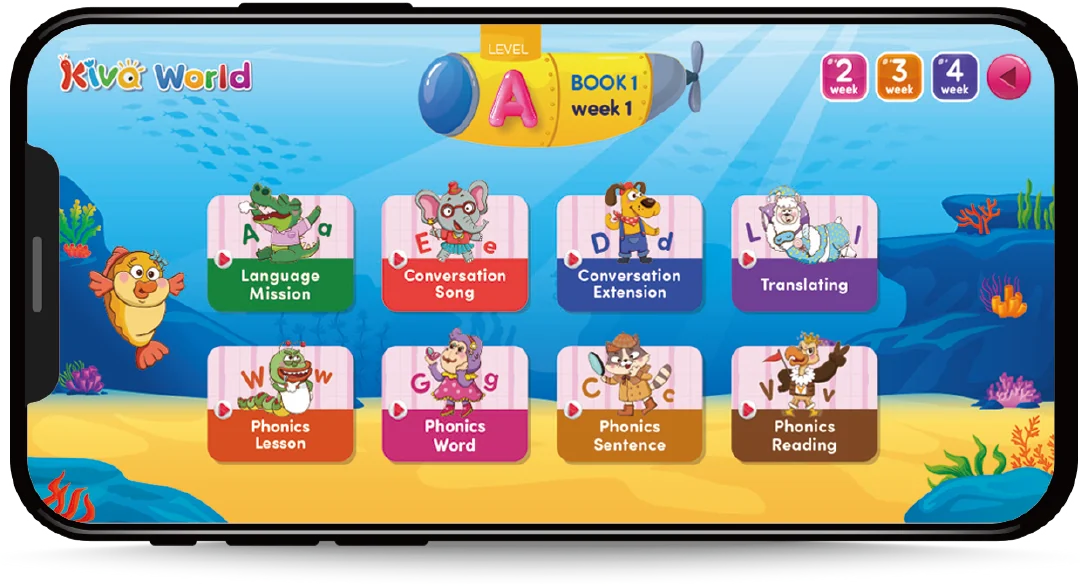
Instead of memorizing sentences, children hear them in real conversational situations, repeat them, and stretch them into their own. A three-year speaking course book, the 10-minute classroom MTS, Phonics Sound It Out, Children Pop Song and the KIVA WORLD home app come together in one flow to complete speaking confidence.
Five parts: hear and repeat in class, keep going at home
A balanced 2:8 environment of learning (學) and practice (習).
To support active language growth, learners take in a wide range of sentences using simultaneous interpretation: understanding in the mother tongue and speaking in English.
Through up to 78 spoken repetitions, Kiva children build the confidence to speak freely in sentence patterns 1 to 3.
Kiva raises the share of time spent speaking and using English above time spent listening and understanding, connecting the child's language circuits naturally.
Three years of early English designed as a metacognition system, carrying through to the elementary curriculum.

Children naturally learn a total of 6,644 core words, including the 800 basic words of the elementary English curriculum, at a pace that suits their development.
Phonics that teaches accurate letter-sound matching is completed step by step, so children master even consonant blends and vowel pairs.
Children apply the sentence patterns 1 to 3, the basis of elementary English, in real speech, building the simultaneous-interpretation skill to say what they've learned in their own sentences.
Children are prepared even for the real-life English conversation that the elementary curriculum stresses, gaining the confidence to speak on their own every day.
Including the 800 basic words of the elementary English curriculum, children naturally learn a total of 6,644 core words at a pace that suits their development.
Includes 800 elementary basic words
Understand English and the mother tongue together, and speak with confidence in daily life

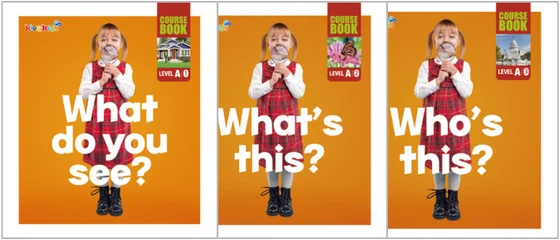
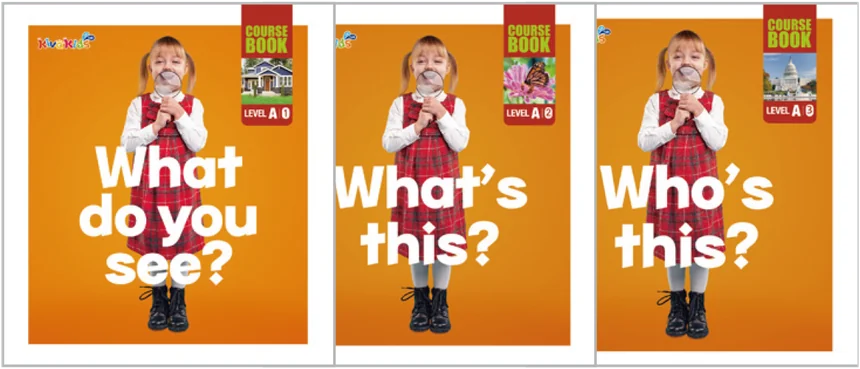
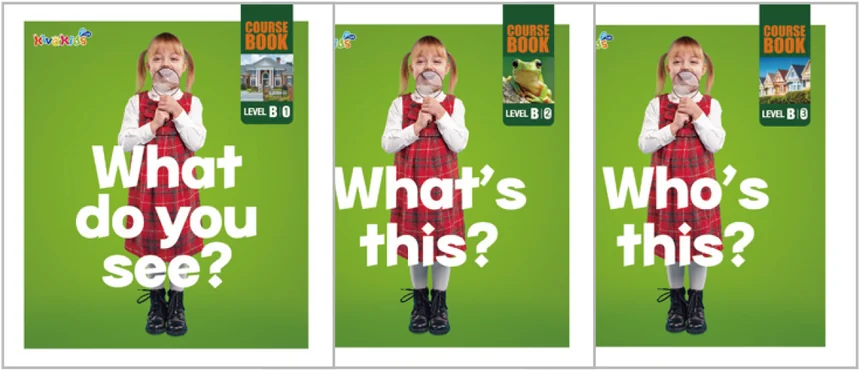
Things I useCourse book theme
Sentences grow like this
I see a desk.
I see a new friend.
I see a friend on the bus.

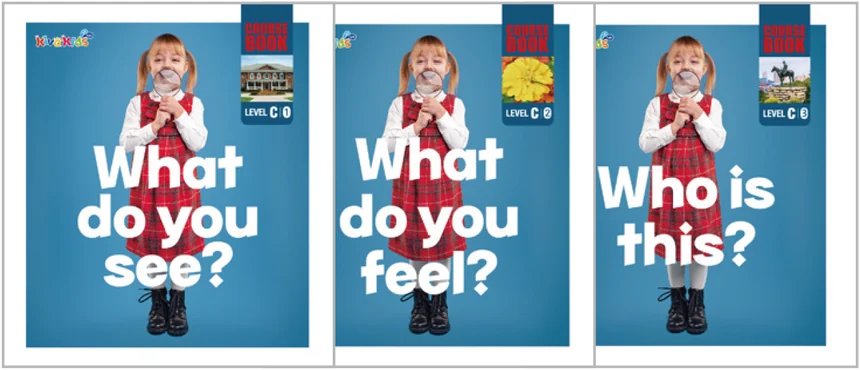
Friends, teachers, greetingsCourse book theme
Sentences grow like this
I see a desk.
I see a new friend.
I see a friend on the bus.

Widening to everyday settingsCourse book theme
Sentences grow like this
I see a desk.
I see a new friend.
I see a friend on the bus.
Expressions children can use in daily life and enriched conversation-extension lessons make natural speaking skills even stronger.
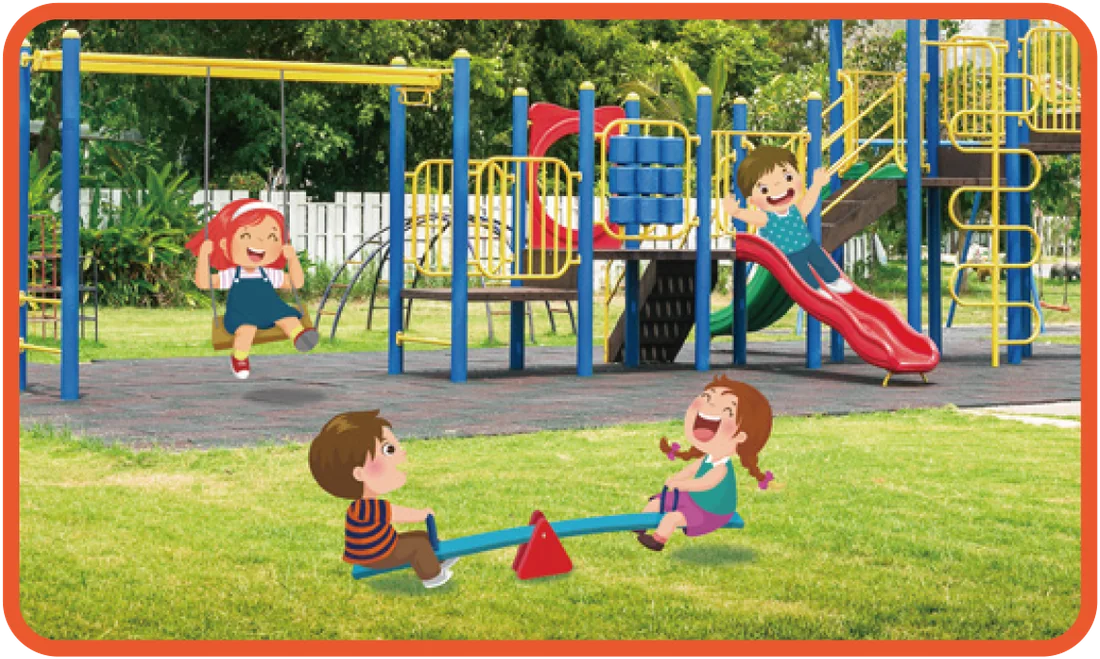
What do you see?
I see a friend.
What do you see?
I see friends at the playground.
What do you see?
I see a swing.
What do you see?
I see a friend on the swing.
What changeda friend → a swing·at the playground → on the swing
Same question, new words. Children widen their conversation until they can answer with confidence in any scene.
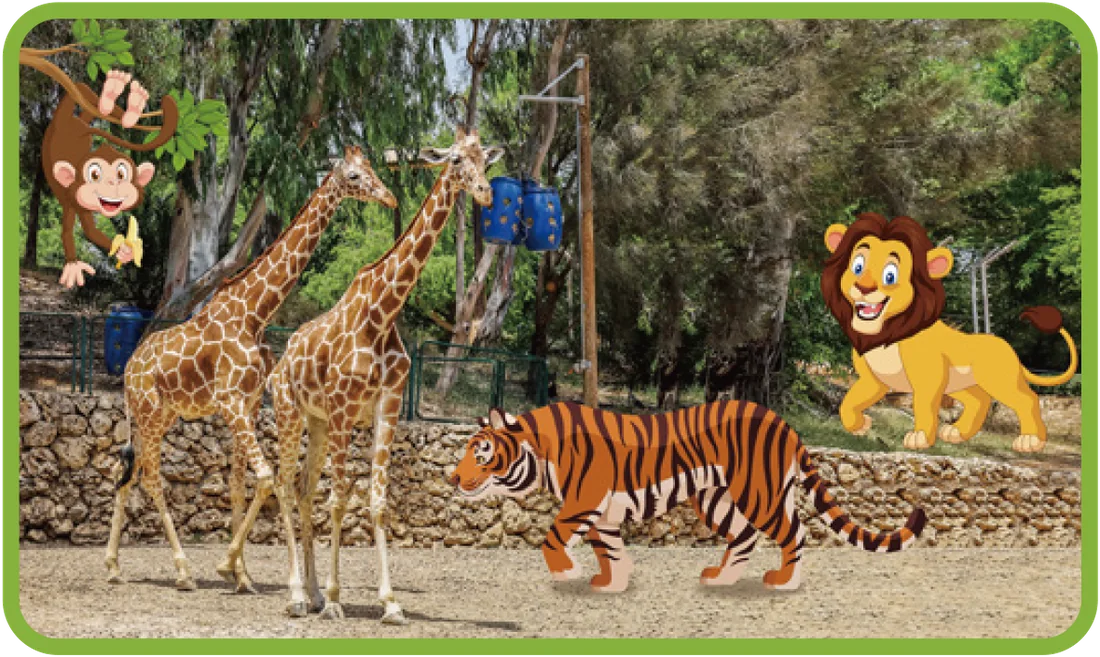
What do you hear?
I hear a dog.
What color is the dog?
The dog is brown.
What do you hear?
I hear a monkey.
What color is the monkey?
The monkey is brown.
What changeddog → monkey
Same question, new words. Children widen their conversation until they can answer with confidence in any scene.
What do you hear?
I hear a cat.
What color is the cat?
The cat is gray.
What do you hear?
I hear a dog.
What color is the dog?
The dog is white.
What changedcat → dog·gray → white
Same question, new words. Children widen their conversation until they can answer with confidence in any scene.
Helps young children take in sound, rhythm and intonation naturally.


Every day, just 10 minutes
MTS: thorough preview and review
Target words: heard 120 times
Repeated aloud: 76 times
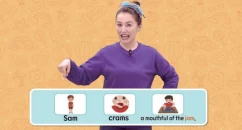
Extend sentences by swapping the subject and object of sentences learned in phonics
Learn accurate pronunciation and intonation from a native voice, and watch mouth shapes
Prompt sentence speaking through the homeroom teacher's movements
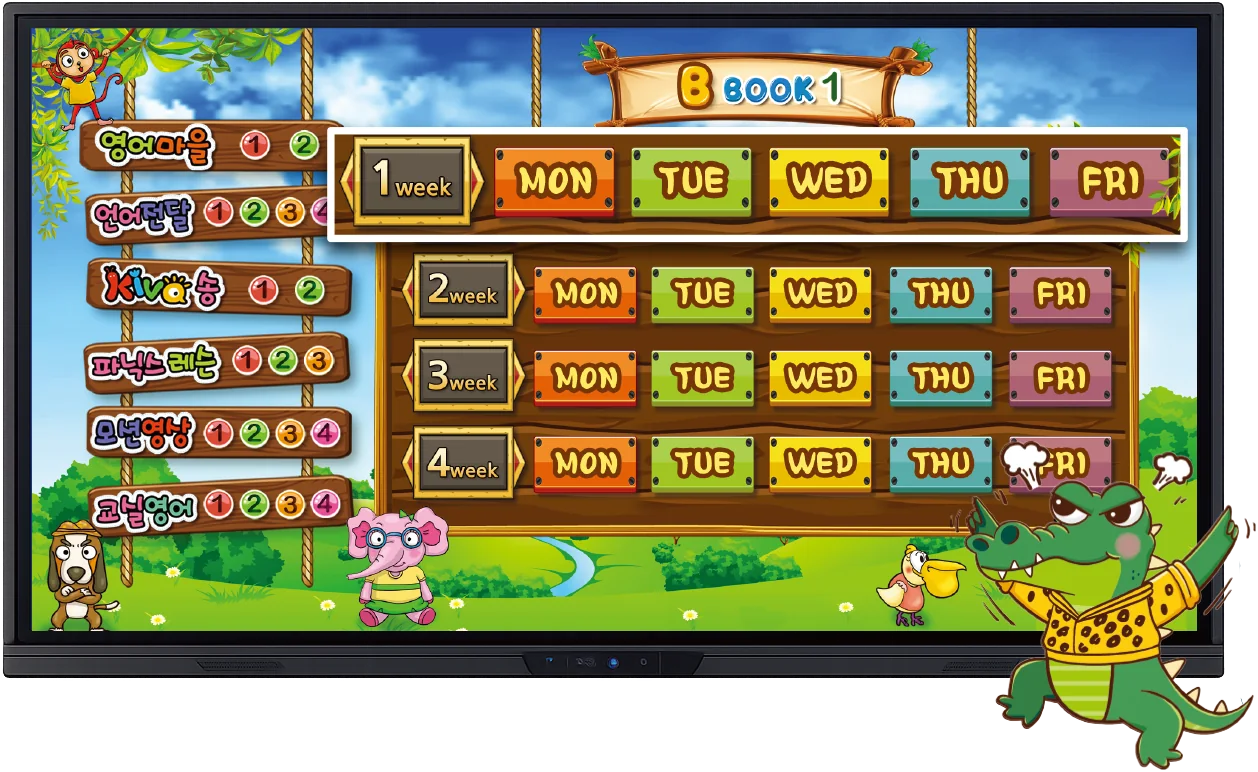
A system that builds a daily 10-minute learning routine
Start with a song, hear and repeat native sentences, then finish with phonics sentence reading and a children's song.
Native sentences1 / 4

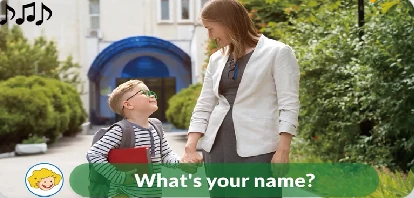
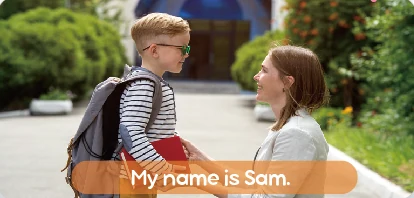
What do you see? → I see a desk.
Fluency through native chants. Hear the native sound once and repeat it once.
Sentence expansion2 / 4
Change just one spot in a sentence you've learned, and one sentence becomes many.
Swap the subject and object of sentences learned in phonics to extend them.
Speaking threshold3 / 4
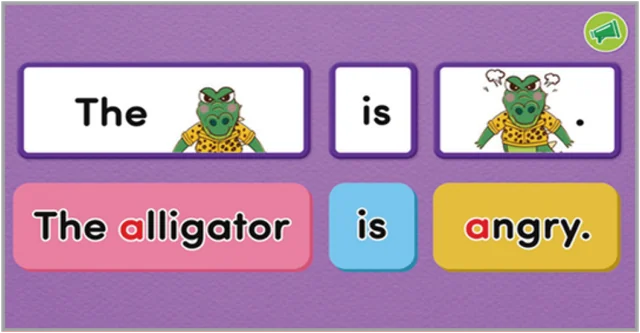
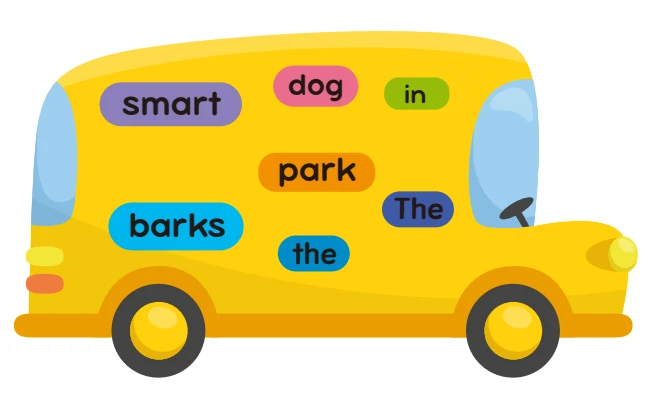
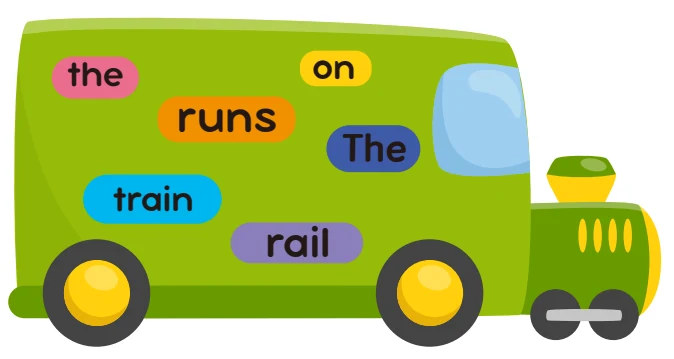
The alligator is angry.
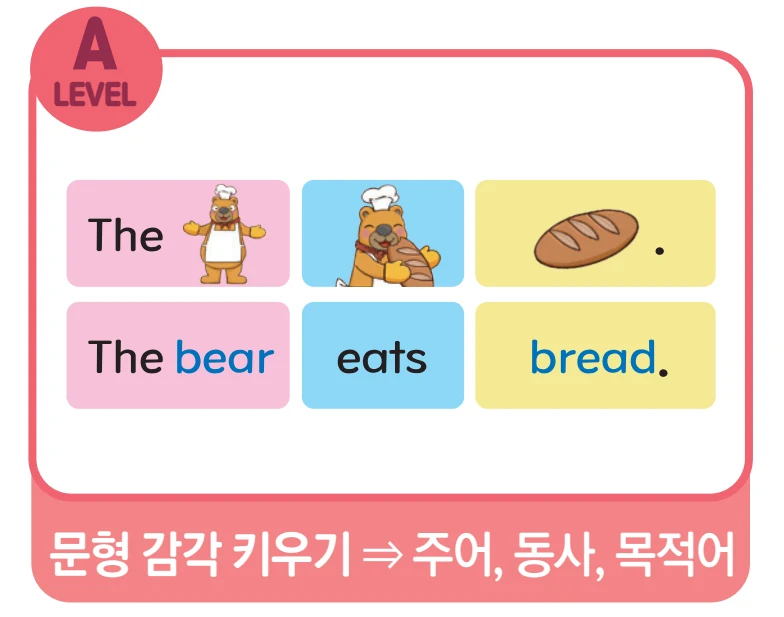
The bear eats bread.
Up to 78 spoken repetitions
With up to 78 spoken repetitions, speak freely in sentence patterns 1 to 3.
Speaking confidence4 / 4
I see a friend on the swing!
The confidence to speak English on their own
Prepared even for real-life conversation, children gain the confidence to speak English on their own every day.

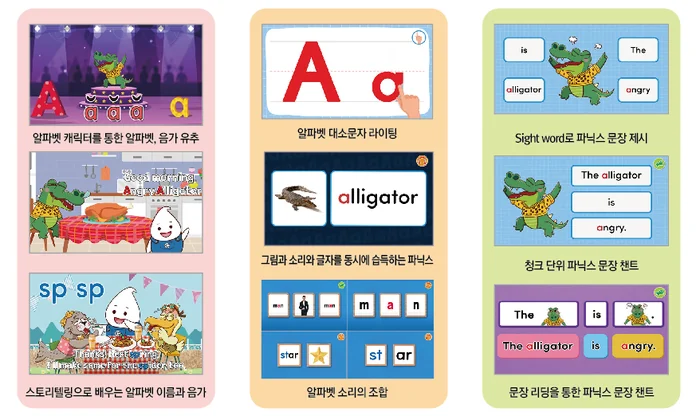
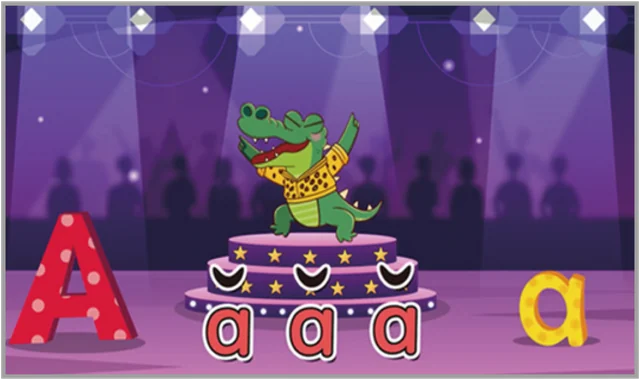
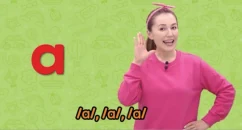
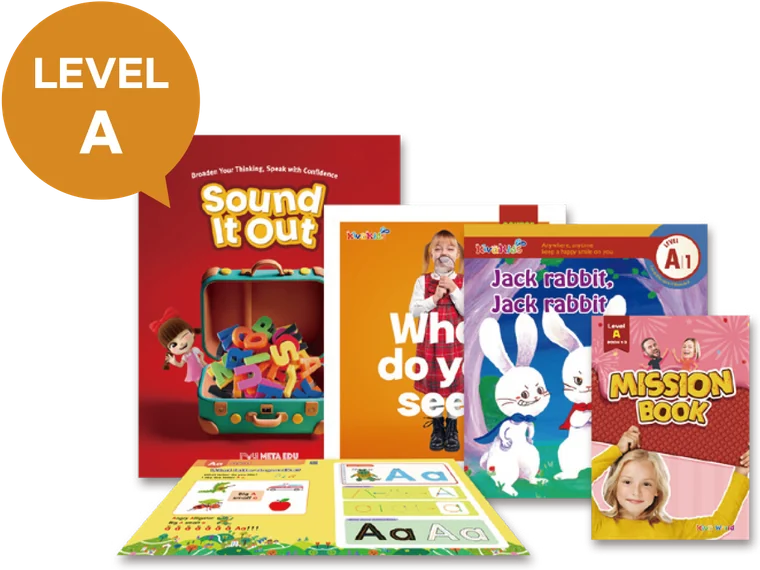
Learn letter names and sounds with alphabet characters
Inferring letter sounds through alphabet charactersAlphabet names and sounds learned through storytelling

See picture, sound and letters together to blend sounds
Writing upper- and lowercase lettersPhonics that takes in picture, sound and letters at onceBlending alphabet sounds

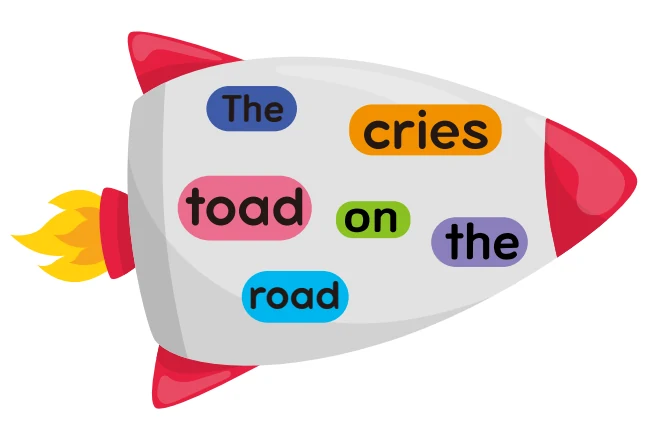
Read sentences with sight words and chunk chants
Phonics sentences presented with sight wordsChunk-by-chunk phonics sentence chantsPhonics sentence chants through sentence reading
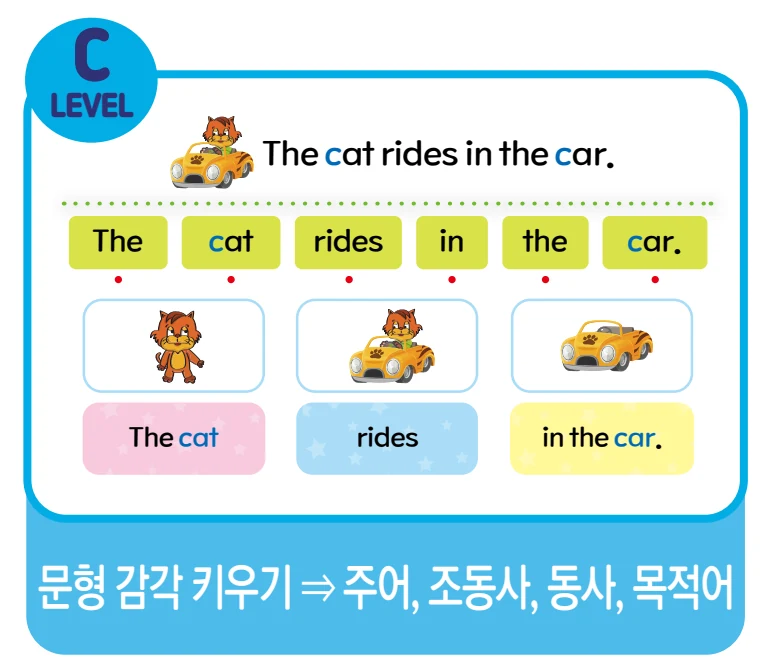
Through chunk (meaning-unit) learning based on how we acquire a mother tongue, children pick up sentence patterns 1 to 3.
Varied sentence strategies build understanding of structure.
The bear eats bread.

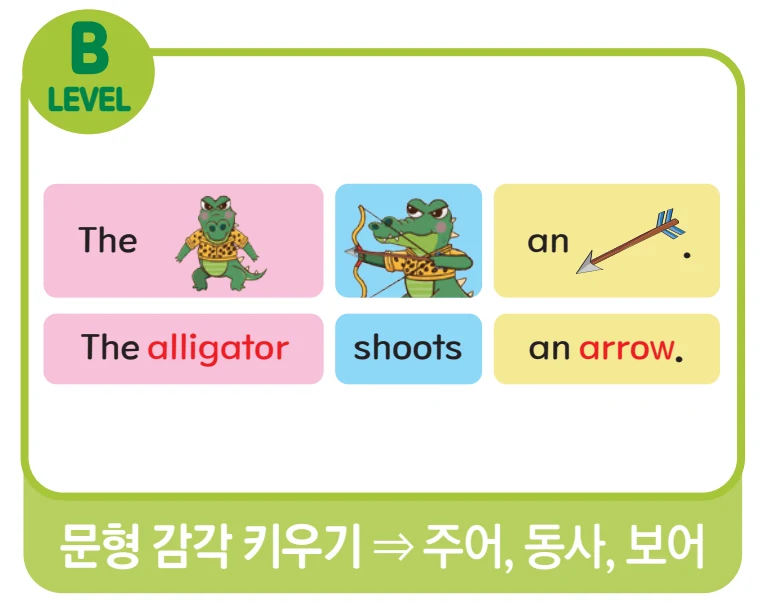
The alligator shoots an arrow.

The cat rides in the car.

Eight lessons with a native teacher, from alphabet sounds to short-vowel sentences. Children follow accurate pronunciation and intonation on video.
Enhanced native-speaker lessons
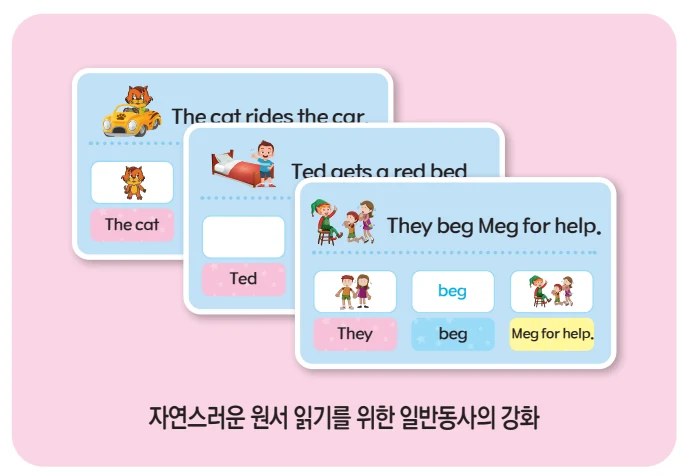
With sight words, which can be recognized naturally without phonics rules, children work out each word's position, sound and meaning within a given sentence.


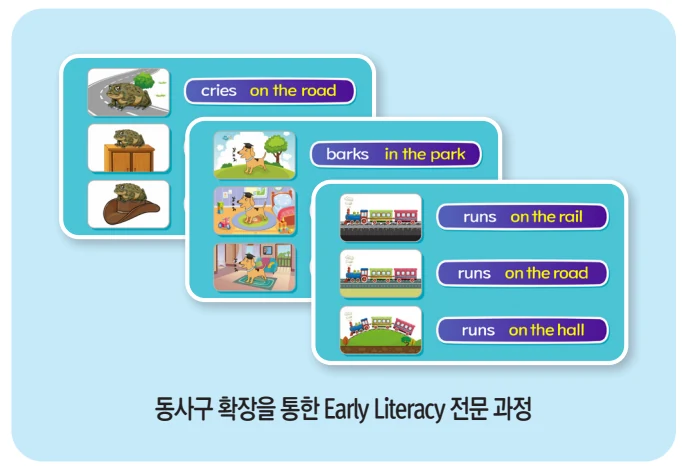
Literacy phonics that expands verbs and verb phrases so children adapt to varied sentence structures in real books and grasp meaning


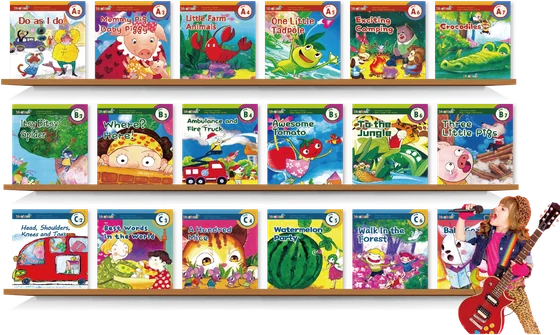
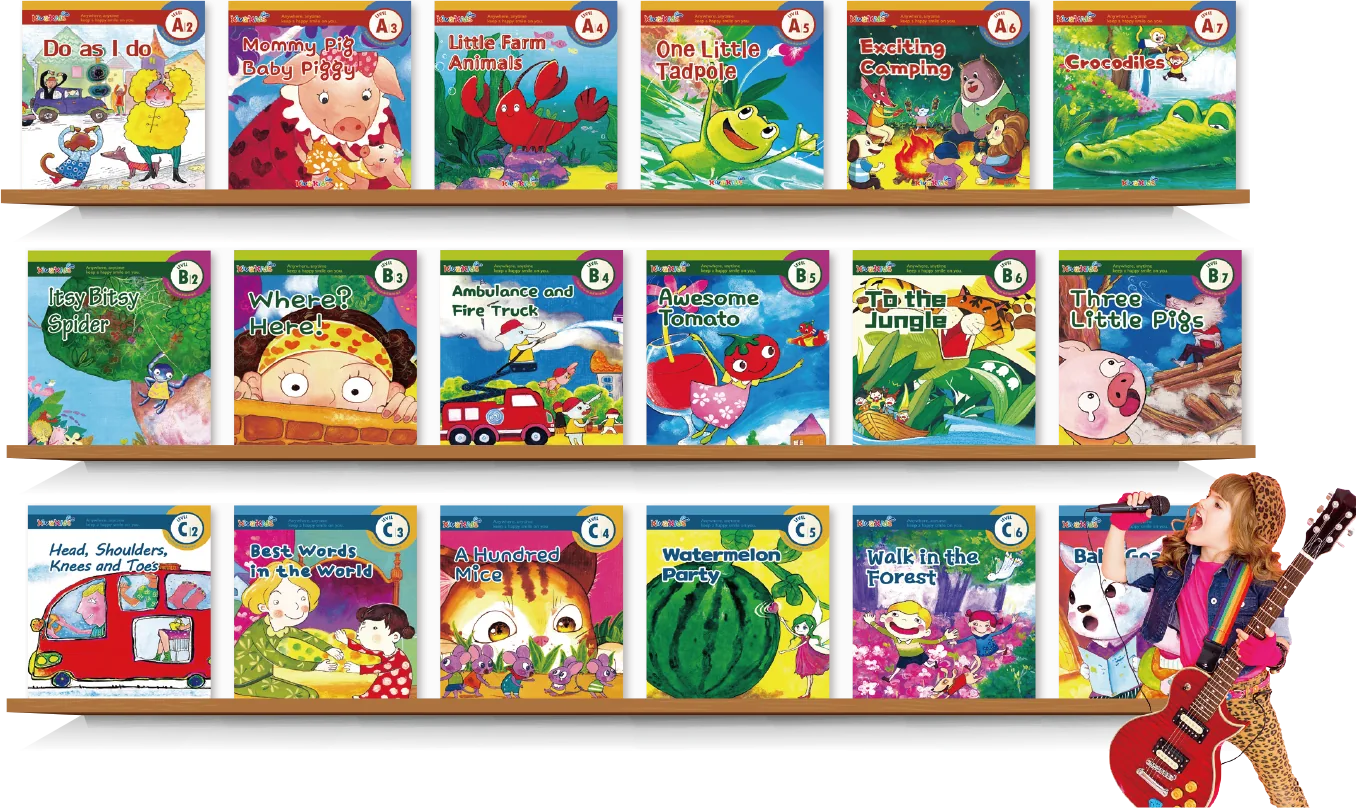
Songs and chants are a fun way to improve listening and English pronunciation.


| Book | Subject | Target Theme | Phonics | Children Pop Song |
|---|---|---|---|---|
| 1 | Kindergarten | Greeting | Beginning Letter A, B | Jack Rabbit 산토끼 |
| 2 | Spring | Something to see about spring | Beginning Letter C, D | Do as I do 나처럼 해봐라 |
| 3 | Family | Introduce my family | Beginning Letter E, F | Mommy pig Baby pig 엄마 돼지 아기 돼지 |
| 4 | Neighborhood | Places | Beginning Letter G, H | Little Farm Animals 작은 동물원 |
| 5 | Summer | Talk about to do in summer | Beginning Letter I, J | One Little Tadpole 올챙이 송 |
| 6 | Transportation | Something to ride | Beginning Letter K, L | Exciting Camping 신나는 캠프 |
| 7 | We are the world | Traditional clothes | Beginning Letter M, N, O | Crocodiles 악어떼 |
| 8 | Fall | Food | Beginning Letter P, Q, R | A Shiny Acorn 도토리 |
| 9 | Environment | Weather | Beginning Letter S, T, U, V | Smile on You 미소 |
| 10 | Winter | Something to need in winter | Beginning Letter W, X, Y, Z | Time to Shake Your Body 짤랑짤랑 |
| 11 | Tools | Things that you can see around | Short Vowels (CVC) A, E | Animals Song 동물흉내 |
| 12 | Happy new year | New plans | Short Vowels (CVC) I, O, U | Go go go 간다간다 |
Tap for details
| Book | Subject | Target Theme | Phonics | Children Pop Song |
|---|---|---|---|---|
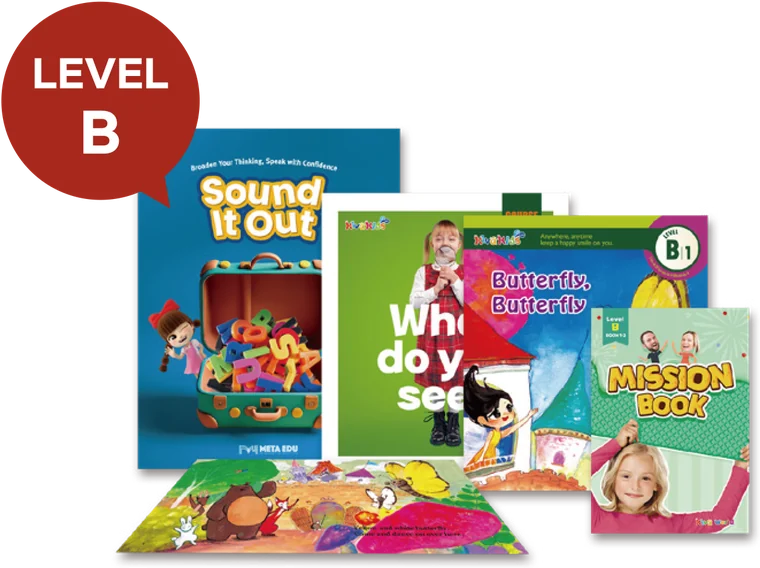
| 1 | Kindergarten | Greeting & Feeling | Beginning Letter A–D | Butterfly 나비야 |
| 2 | Spring | Something to see about spring | Beginning Letter E–H | Itsy Bisty Spider 거미가 줄을 타고 올라갑니다. |
| 3 | Family | Introduce my family | Beginning Letter I–L | Where? Here! 요기 여기 |
| 4 | Neighborhood | Places | Beginning Letter M–P | Ambulance and Fire Truck 병원차와 소방차 |
| 5 | Summer | Vacation & Activity | Beginning Letter Q–T | Awesome Tomato 멋쟁이 토마토 |
| 6 | Transportation | Something to ride & can or can't | Beginning Letter U–W | To the Jungle 밀림으로 |
| 7 | We are the world | Traditional food | Beginning Letter X–Z | Three little pigs 아기 돼지 삼형제 |
| 8 | Fall | Season | Short Vowels (CVC) A, E, I | Elephants on the Spider Web 코끼리와 거미줄 |
| 9 | Environment | Daily activities | Short Vowels (CVC) O, U | King's Birthday Party 산중호걸 |
| 10 | Winter | Winter activities | Consonant Blends br, dr, fr, tr | Just Stay Still! 그대로 멈춰라 |
| 11 | Tools | Things that you want or have | Consonant Blends bl, cl, pl, sl | My Bestie Teddy Bear 예쁜 아기곰 |
| 12 | Happy new year | New plans | Consonant Blends sm, sn, sp, st | Animal farm 동물농장 |
Tap for details
| Book | Subject | Target Theme | Phonics | Children Pop Song |
|---|---|---|---|---|
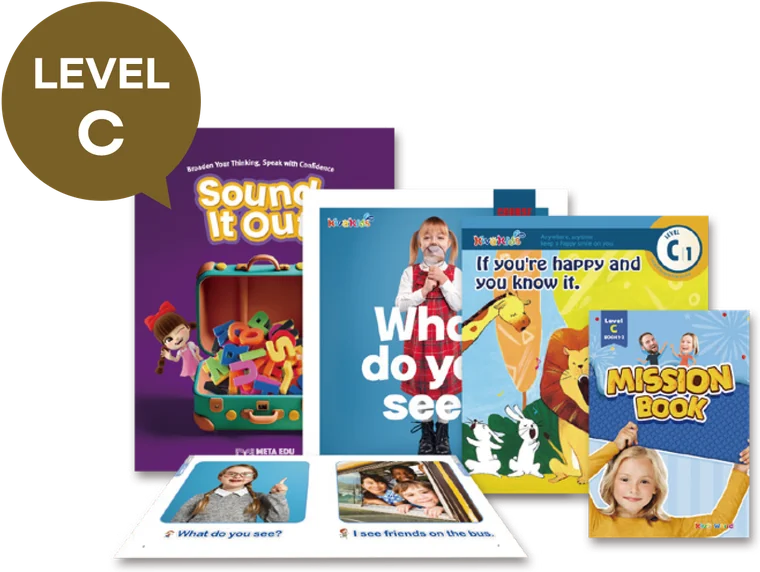
| 1 | Kindergarten | Sences | Beginning Letter A–H | If you're happy 우리 모두 다같이 |
| 2 | Spring | Feeling & Color | Beginning Letter I–P | Head, Shoulders, Knees and Toes 머리, 어깨, 무릎, 발 |
| 3 | Family | Introduce my family & jobs | Beginning Letter Q–Z | Best Words in the World 참 좋은 말 |
| 4 | Neighborhood | Places | Short Vowels (CVC) A, E | A Hundred Mice 쥐가 백 마리 |
| 5 | Summer | Vacation & Activity | Short Vowels (CVC) I, O, U | Watermelon Party 수박 파티 |
| 6 | Transportation | Something to ride | Long Vowels a, e -ai, -ay, -ea, -ee | Walk in the Forest 숲속을 걸어요 |
| 7 | We are the world | World landmark | Long Vowel o -oa, -oo, -ou, -ow | Baby goats 아기염소 |
| 8 | Fall | Popular foods in fall | R-Controlled Vowels -ar, -er, -ir, -or | Morning in the forest 숲속의 아침 |
| 9 | Environment | Daily life | Consonant Blends dr-, fr-, gr-, sl- | Pinocchio 피노키오 |
| 10 | Winter | Something to wear in winter | Consonant Blends sk-, sn-, st-, sw- | The Hokey Pokey 호키포키 |
| 11 | Tools | Tools and numbers | Consonant Blends & Digraphs -nd, -ng, -nk, -nt | My Super Hero Daddy 아빠 힘내세요 |
| 12 | Happy new year | New plans | Consonant Digraphs th, ph, ch, sh | Say the Magic words, You Can Do It 넌 할 수 있어라고 말해주세요 |

Tap for details
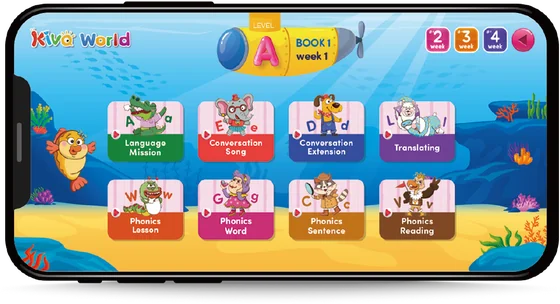
Review the songs, conversation and phonics learned in class at home, in the app.


Building strong reading and speaking skills in young children: a specialist learning system for early English
2026 International Business Awards (IBA)Two Bronze Stevie Awards
Leave a consultation or partnership enquiry and we will get back to you.