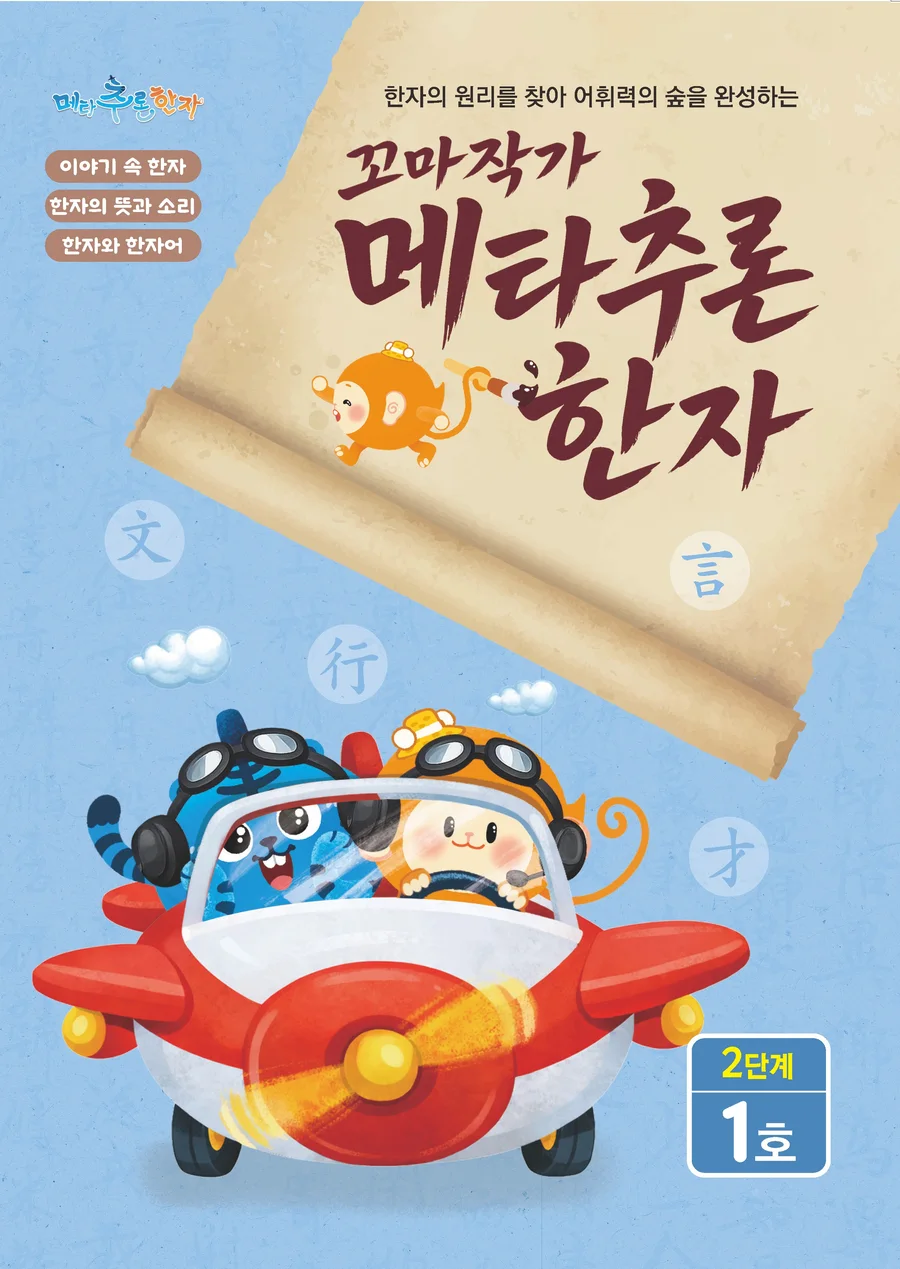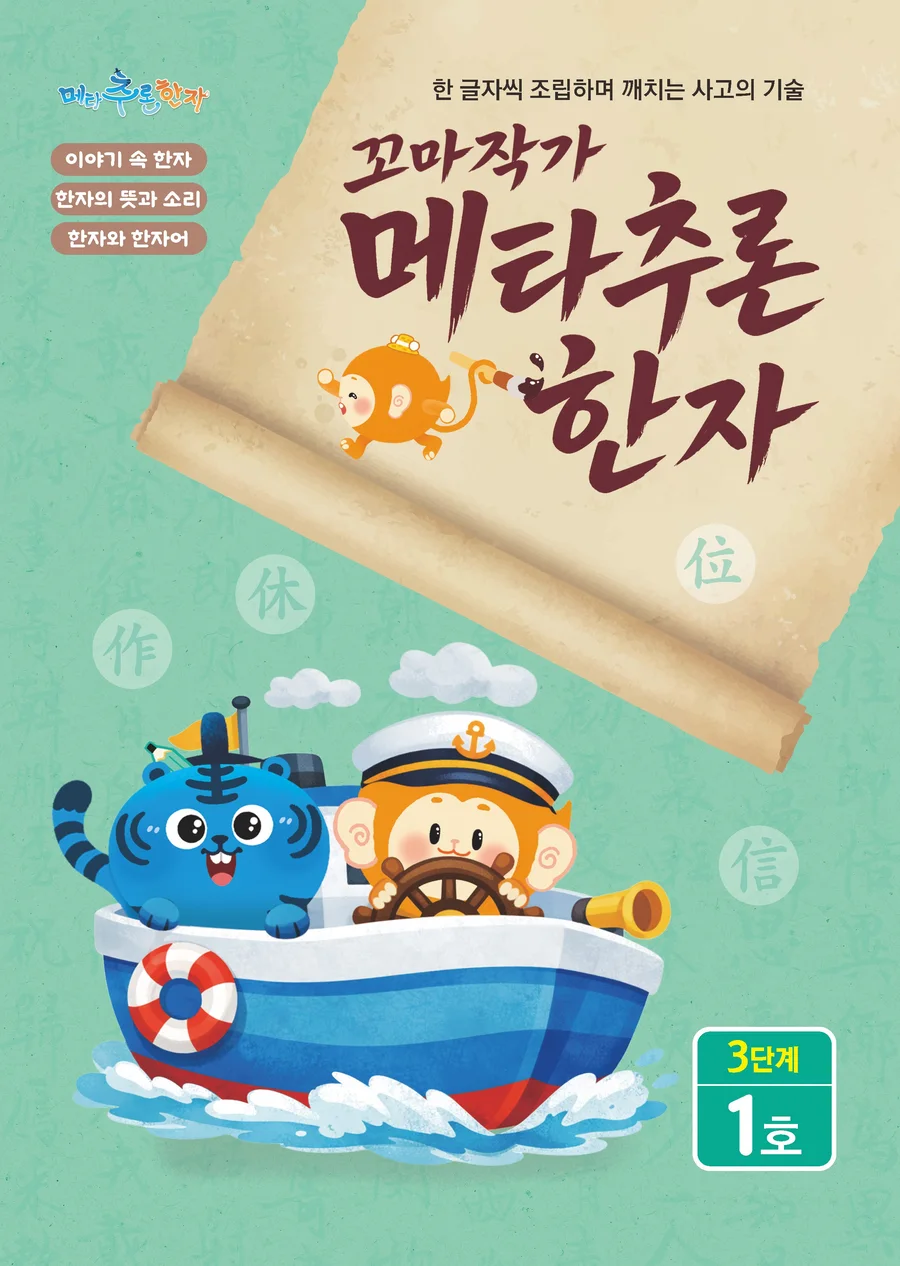


Age 5
3 a month
Pictograph-centered hanja
Characters shaped like real things wake curiosity and build first familiarity
Not memorizing — a sense that catches the meaning
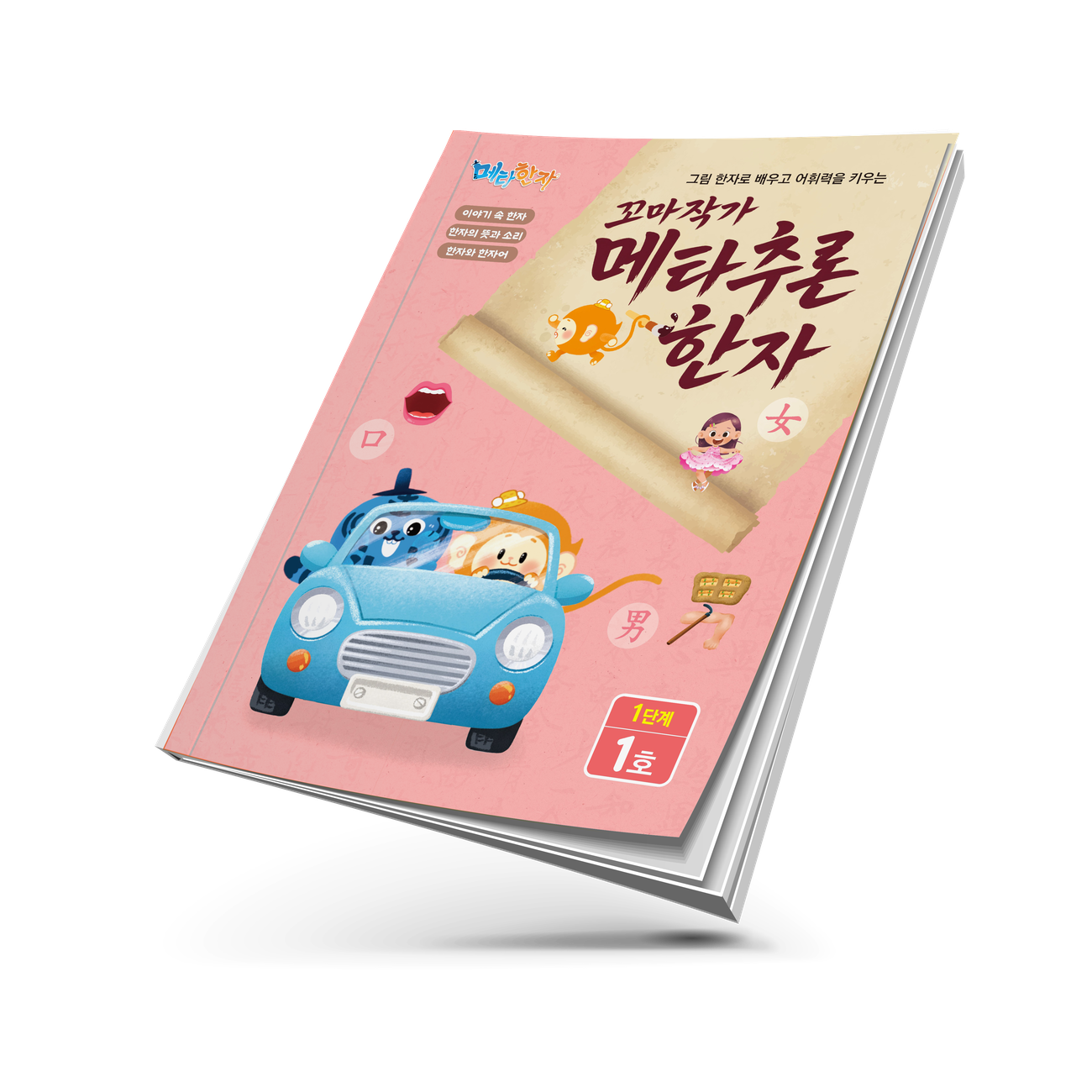
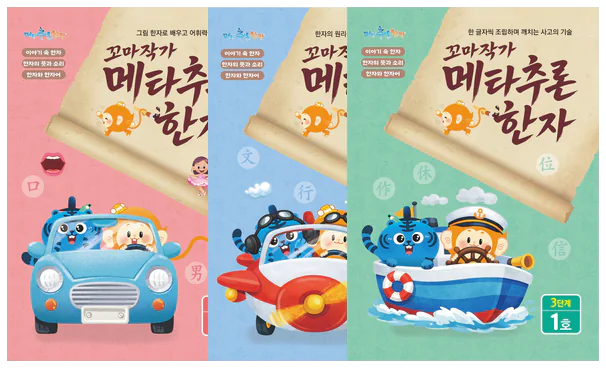
What early hanja education needs now is not more memorization but the power to reason out meaning. A three-stage roadmap — pictographs at five, formation principles at six, radical-centered breakdown at seven — the 1+4+4 system, and lessons that flow through story, song, writing, and word expansion. A program that does not stop at memorizing characters, but builds the skeleton of literacy through hanja words.
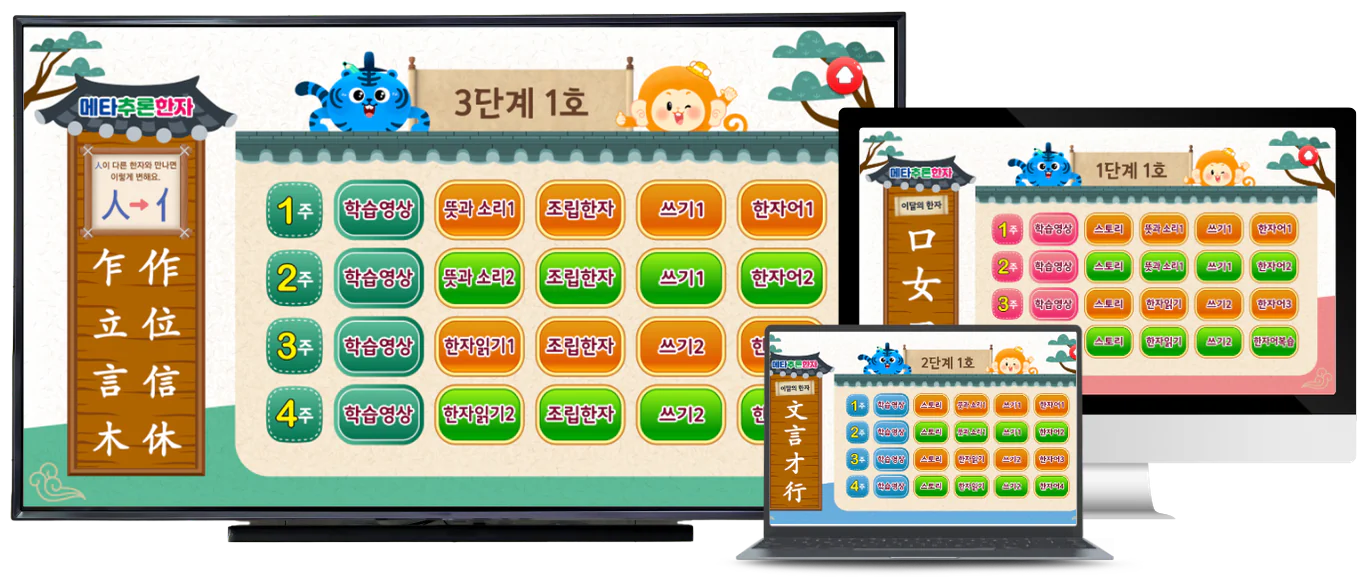
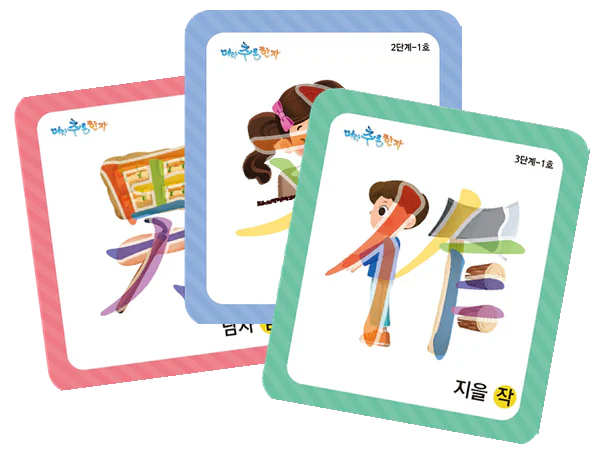
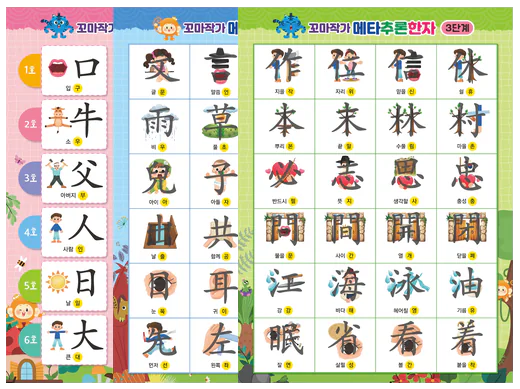
Instead of memorizing characters, children reason out meaning from how each character was built. Weekly video content, twelve workbook issues a year, cards, wall charts, and digital courseware come together in one four-week flow that completes the classroom lesson.
Dictionary words that start with mun (문) 1,239
Words built on 文 — 55%, or 676
Of the 80,000 words we learn by adulthood, more than 80% are picked up in daily life and reading.
Most vocabulary in books is hanja-based. Without hanja, can those words truly become the child’s own language?
Rote hanja memorization only wears children out.
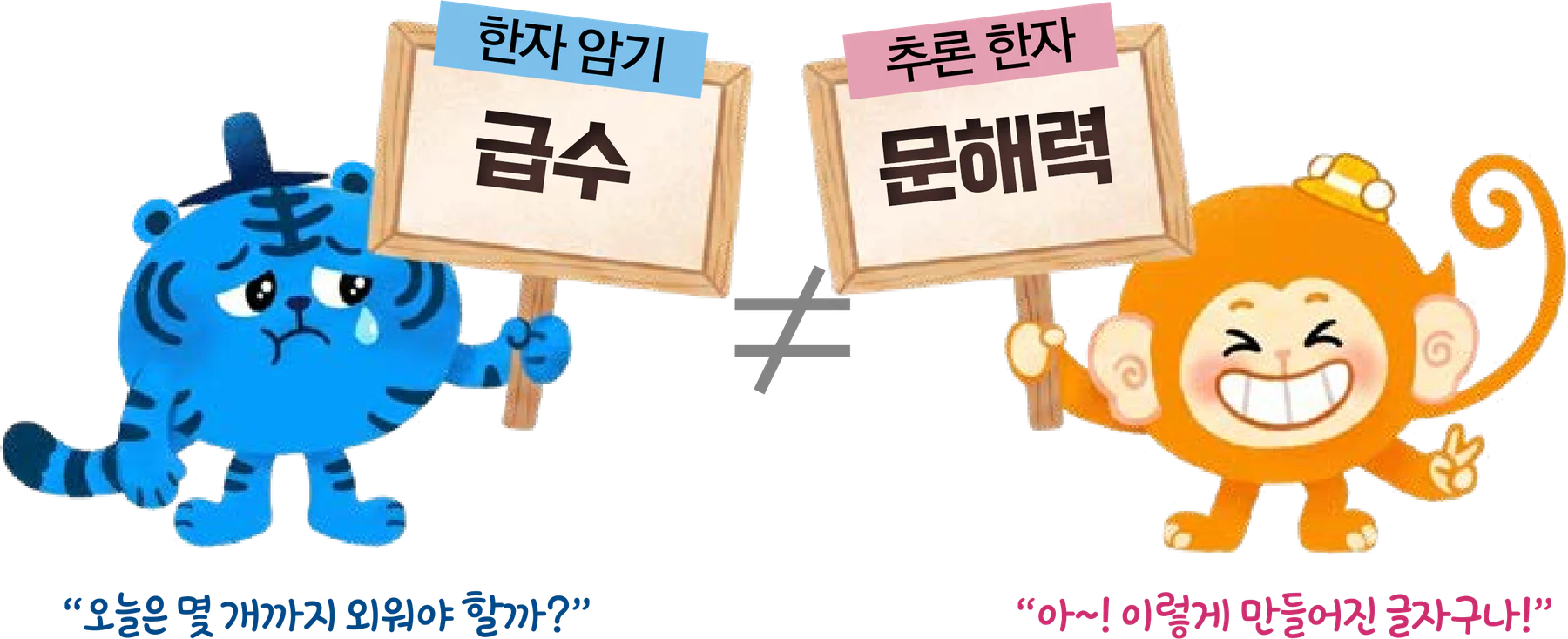
The power to reason from a character’s meaning into real words = literacy
Beyond form — a systematic roadmap that accelerates growth through reasoning about meaning
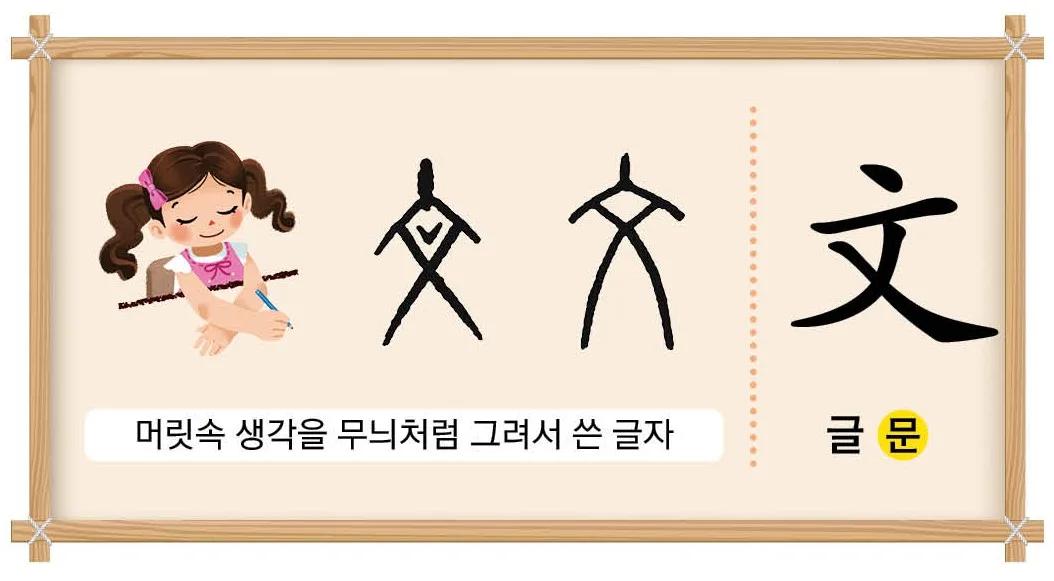
Characters shaped like real things wake curiosity and build first familiarity
Understanding the logic between things and signs through the formation principles
Splitting and combining around radicals to complete higher-order reasoning
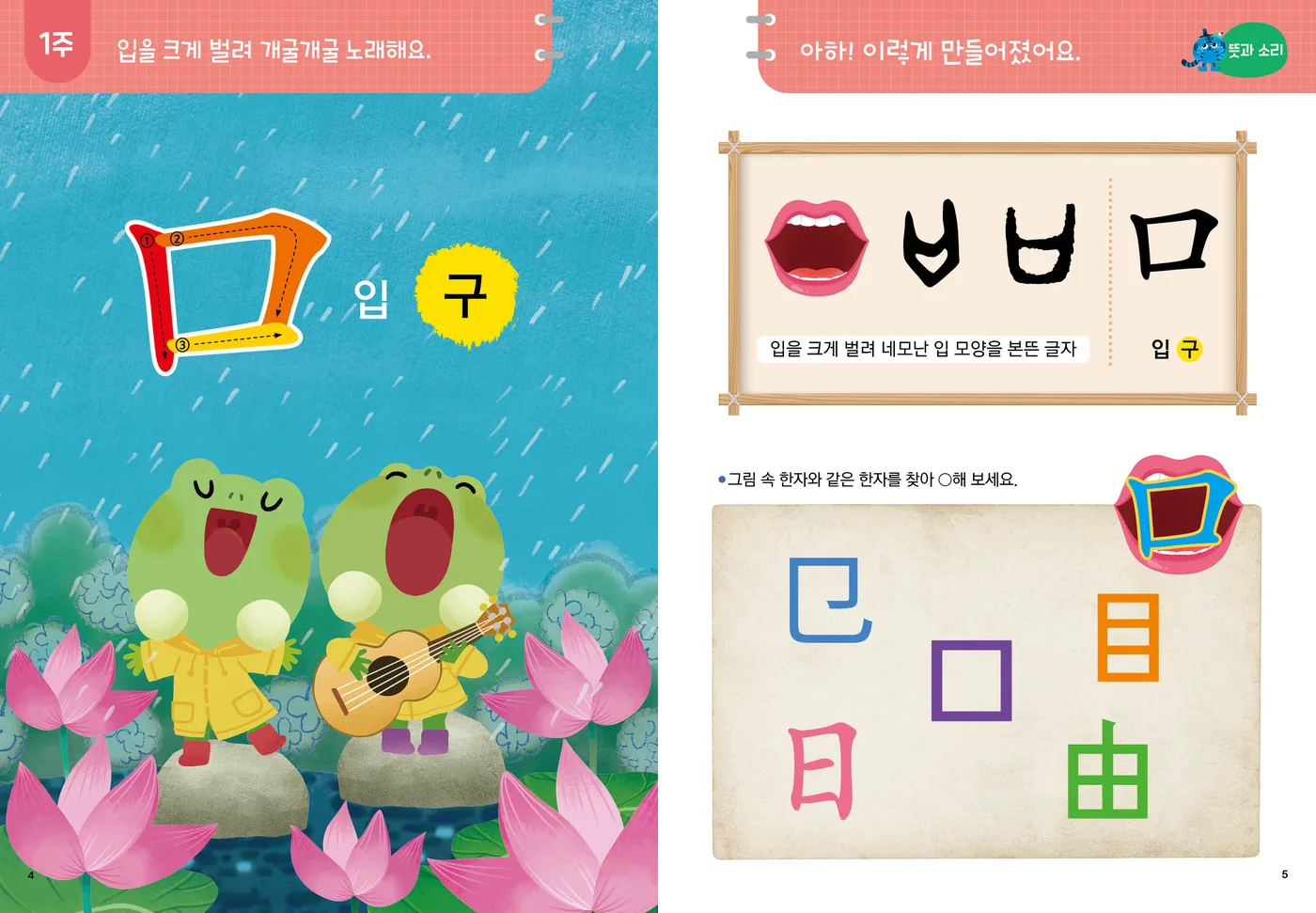
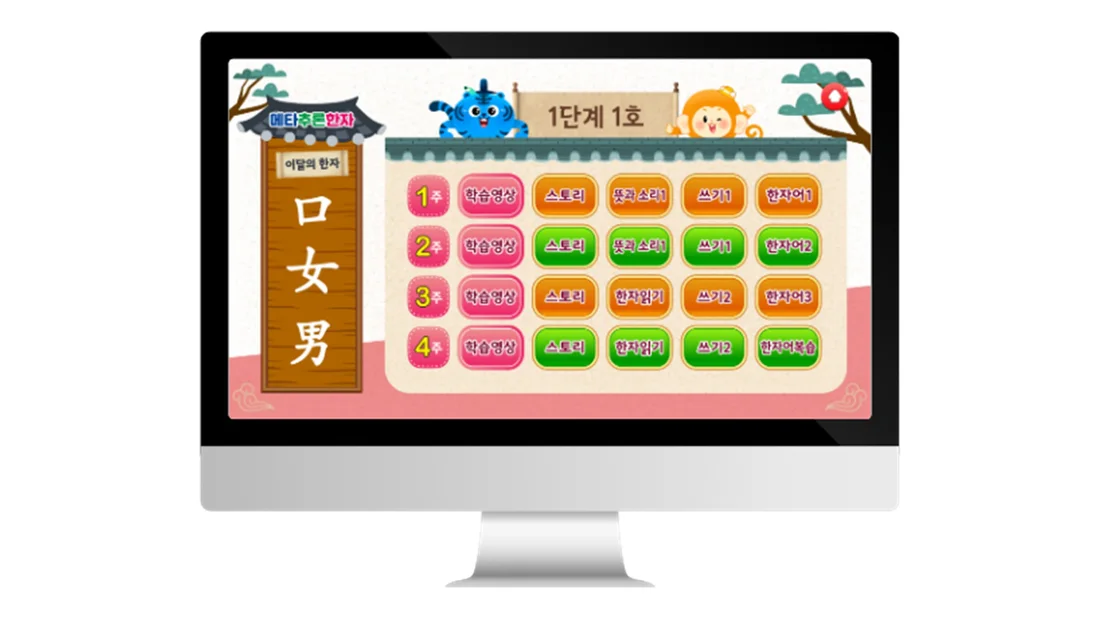
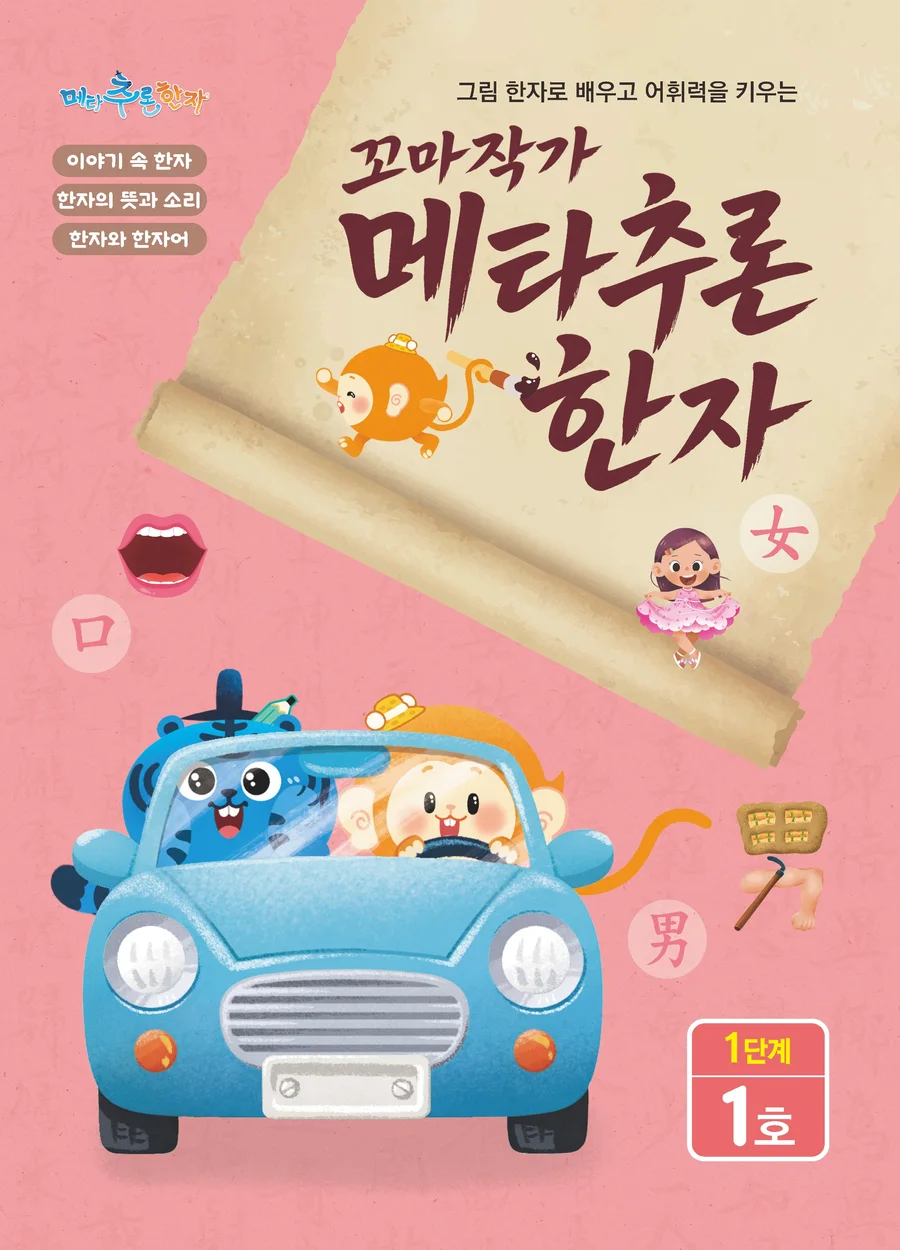
Characters like 口 (mouth) and 女 (woman) are matched one-to-one with images, building intuitive thinking.
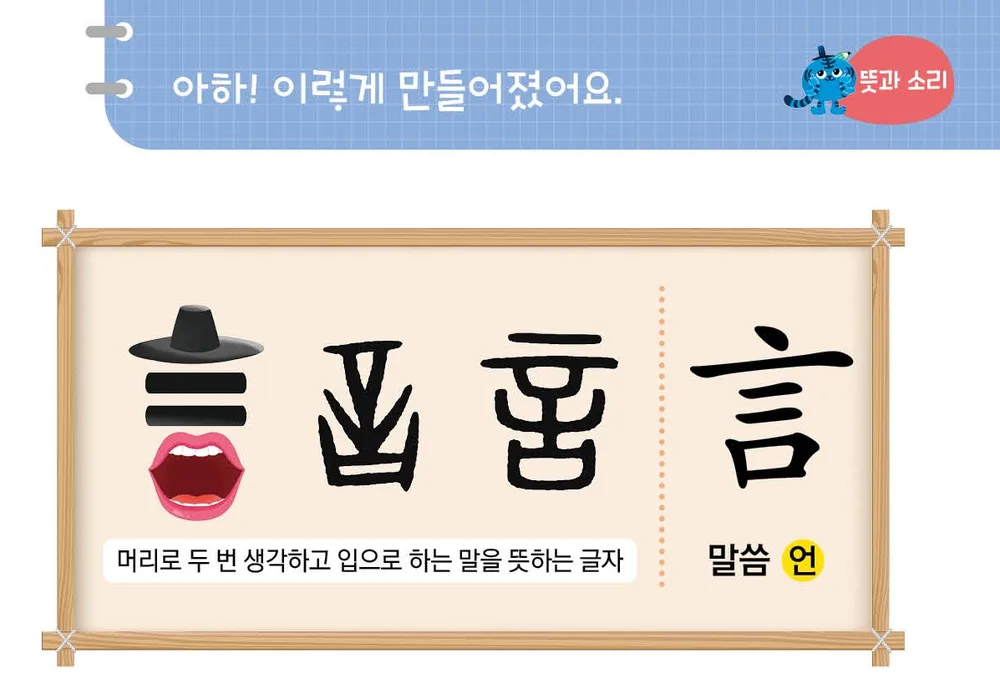
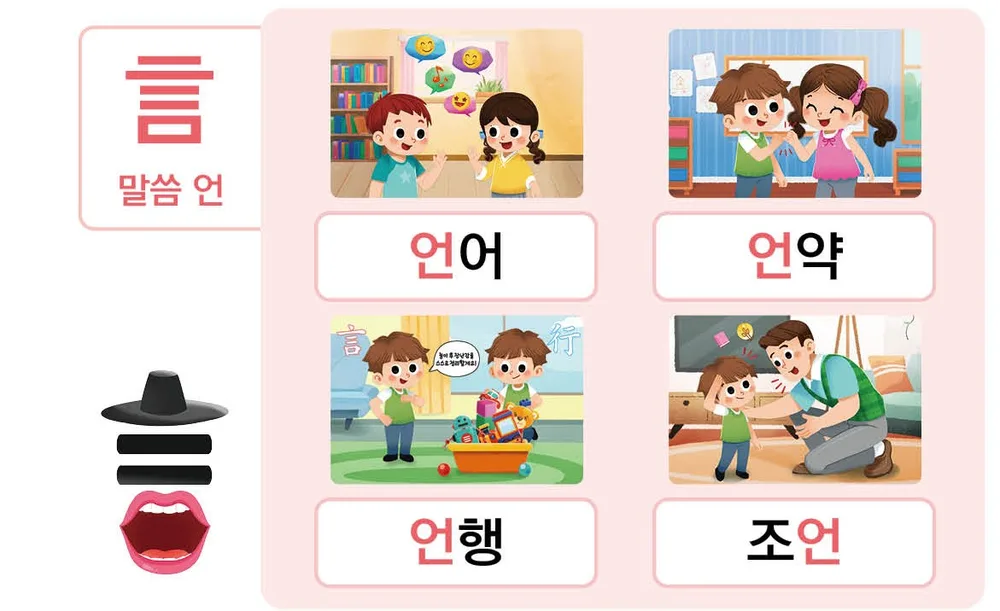
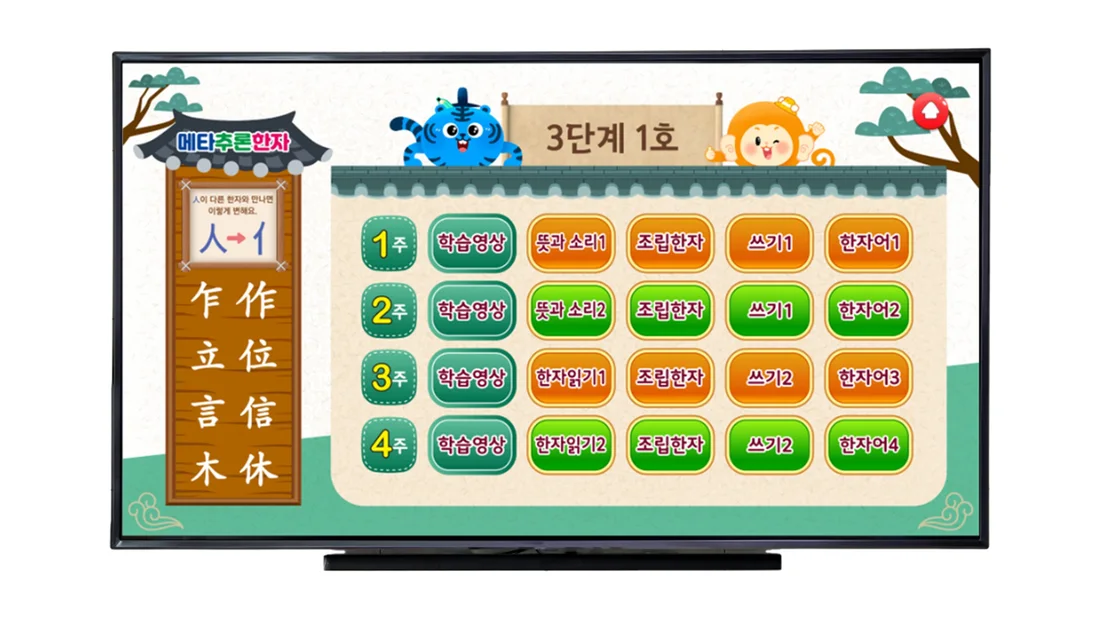
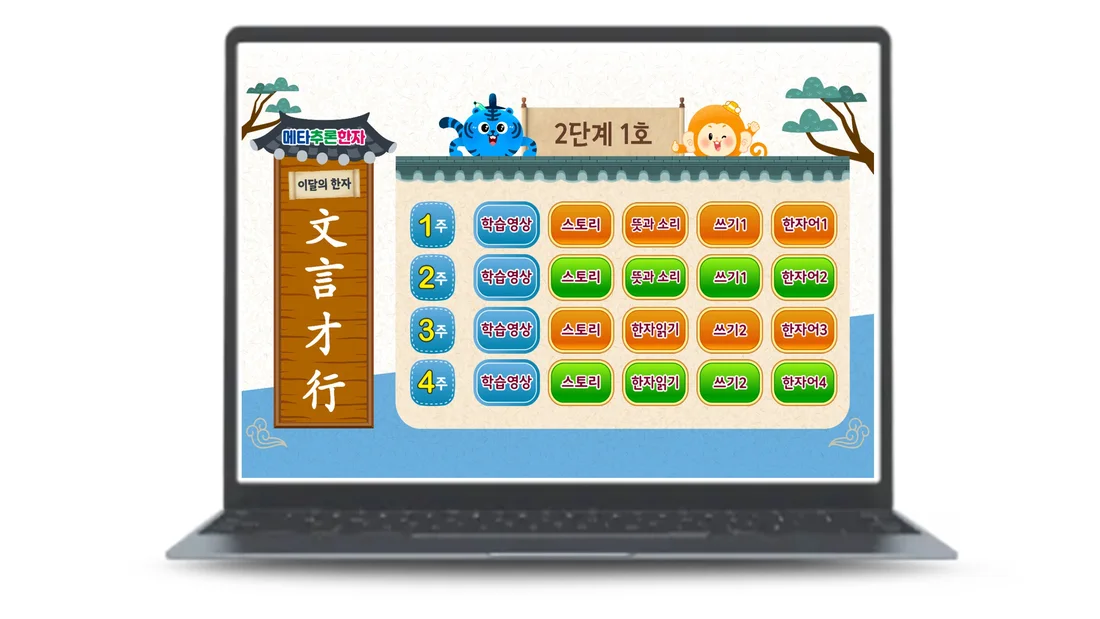
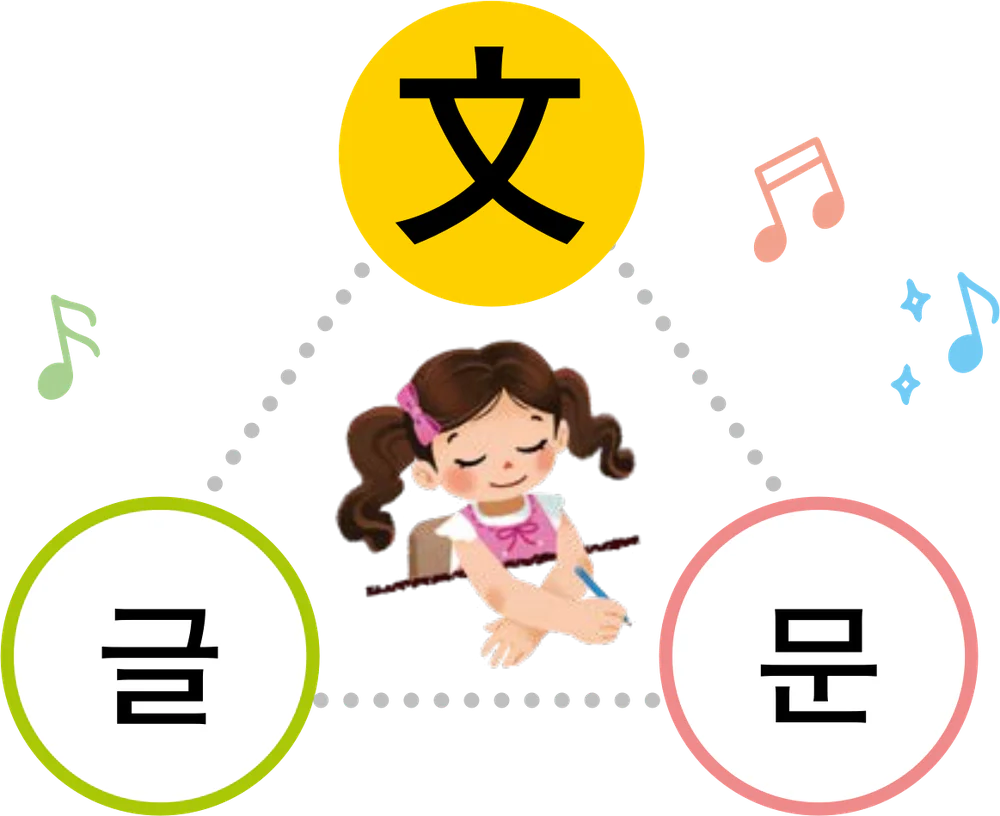
With characters like 文 (writing) and 言 (speech), children use the six principles of formation to understand logically how hanja were made.
Conquering radicals through character breakdown
Conquer the radicals — the core signs that decide meaning — and a map of thousands of characters unfolds.
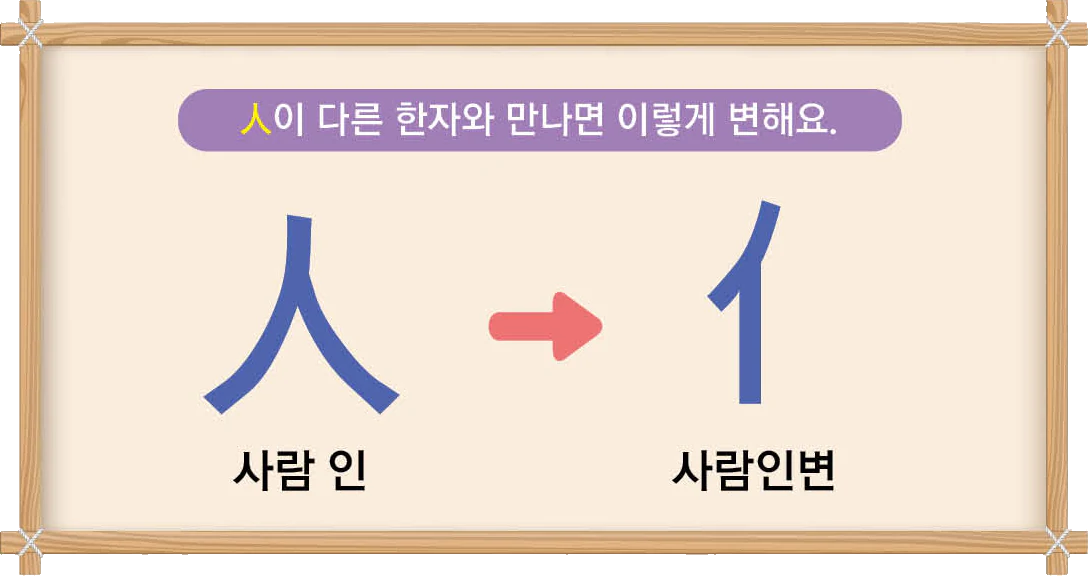
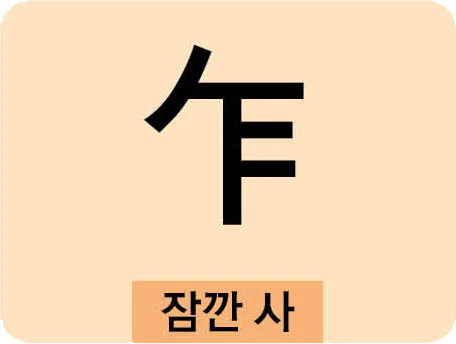
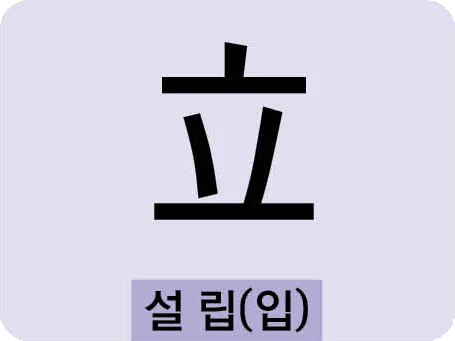
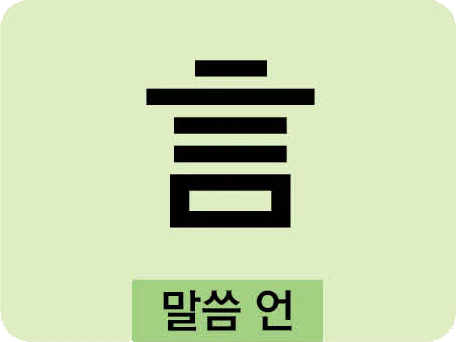
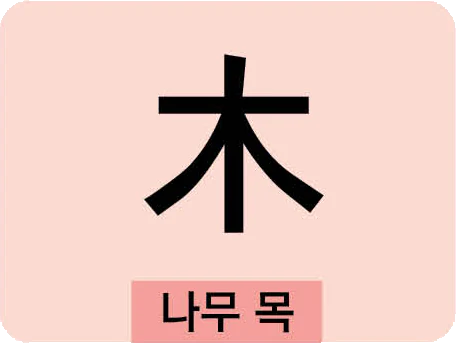
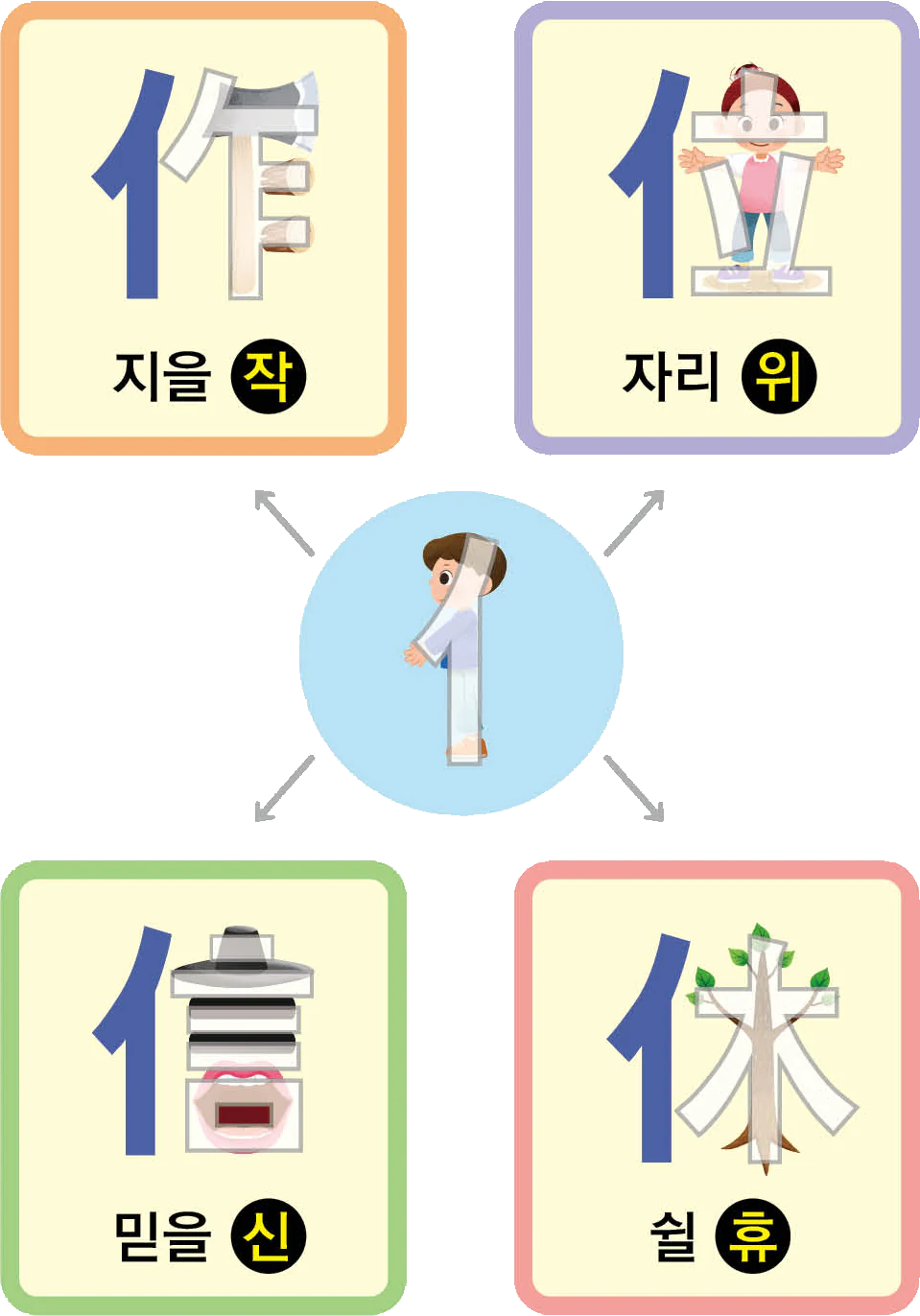
1+4Building four characters from one (1) core radical
+4Combined into four reasoning characters
| Rank | Radical | L1 | L2 | L3 | L4 | L5 | L6 | L7 | L8 |
|---|---|---|---|---|---|---|---|---|---|
| 1 | 水 | 206 | 142 | 93 | 43 | 23 | 13 | 6 | 1 |
| 2 | 木 | 150 | 94 | 66 | 38 | 22 | 14 | 6 | 3 |
| 3 | 手 | 146 | 77 | 66 | 31 | 6 | 2 | 1 | 0 |
| 4 | 人 | 136 | 108 | 88 | 48 | 26 | 11 | 5 | 1 |
| 5 | 心 | 136 | 86 | 76 | 30 | 12 | 3 | 1 | 0 |
| Rank | Radical | L1 | L2 | L3 | L4 | L5 | L6 | L7 | L8 |
|---|---|---|---|---|---|---|---|---|---|
| 6 | 口 | 116 | 62 | 52 | 31 | 19 | 11 | 1 | 0 |
| 7 | 艸 | 112 | 66 | 40 | 11 | 8 | 6 | 3 | 0 |
| 8 | 言 | 100 | 69 | 61 | 30 | 7 | 1 | 1 | 0 |
| 9 | 糸 | 90 | 61 | 49 | 28 | 9 | 4 | 1 | 0 |
| 10 | 土 | 75 | 52 | 34 | 17 | 7 | 5 | 3 | 1 |
Radical learning classifies meaning.
The radical is the clue to which category of meaning a character belongs.
Even a first-seen character can be reasoned out.
Radicals build the power to guess the meaning of unfamiliar characters.
It expands into understanding words.
Knowing one character’s meaning makes the words in a sentence more precise.
It refines writing practice.
Seen radical by radical, a character’s balance and structure come easier.
Learning meaning, sound, and structure through sight and sound — provided weekly
Pictures that carry each character’s form and meaning, set to lively songs — sight and hearing together build long-term, right-brain memory.
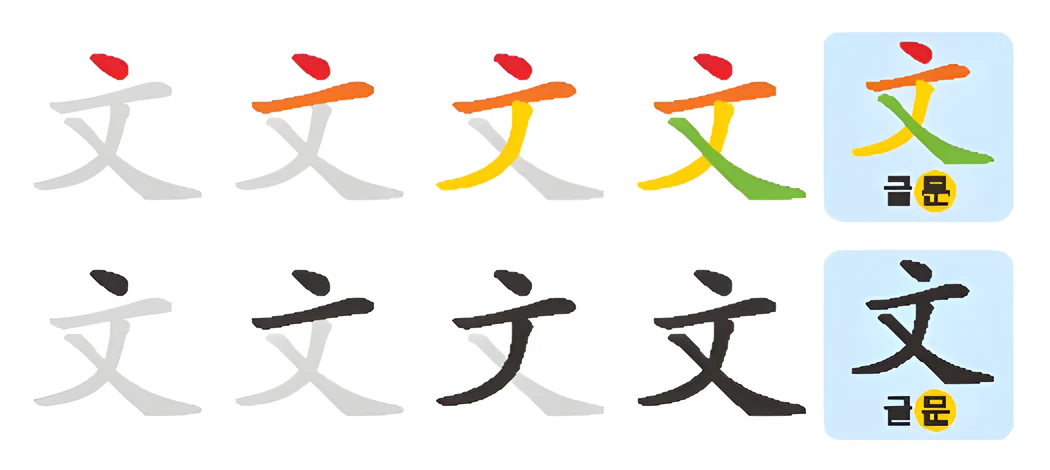
Tracing by color and number is how the balance, direction, and form of each character are learned visually, then settled again through the fingertips.
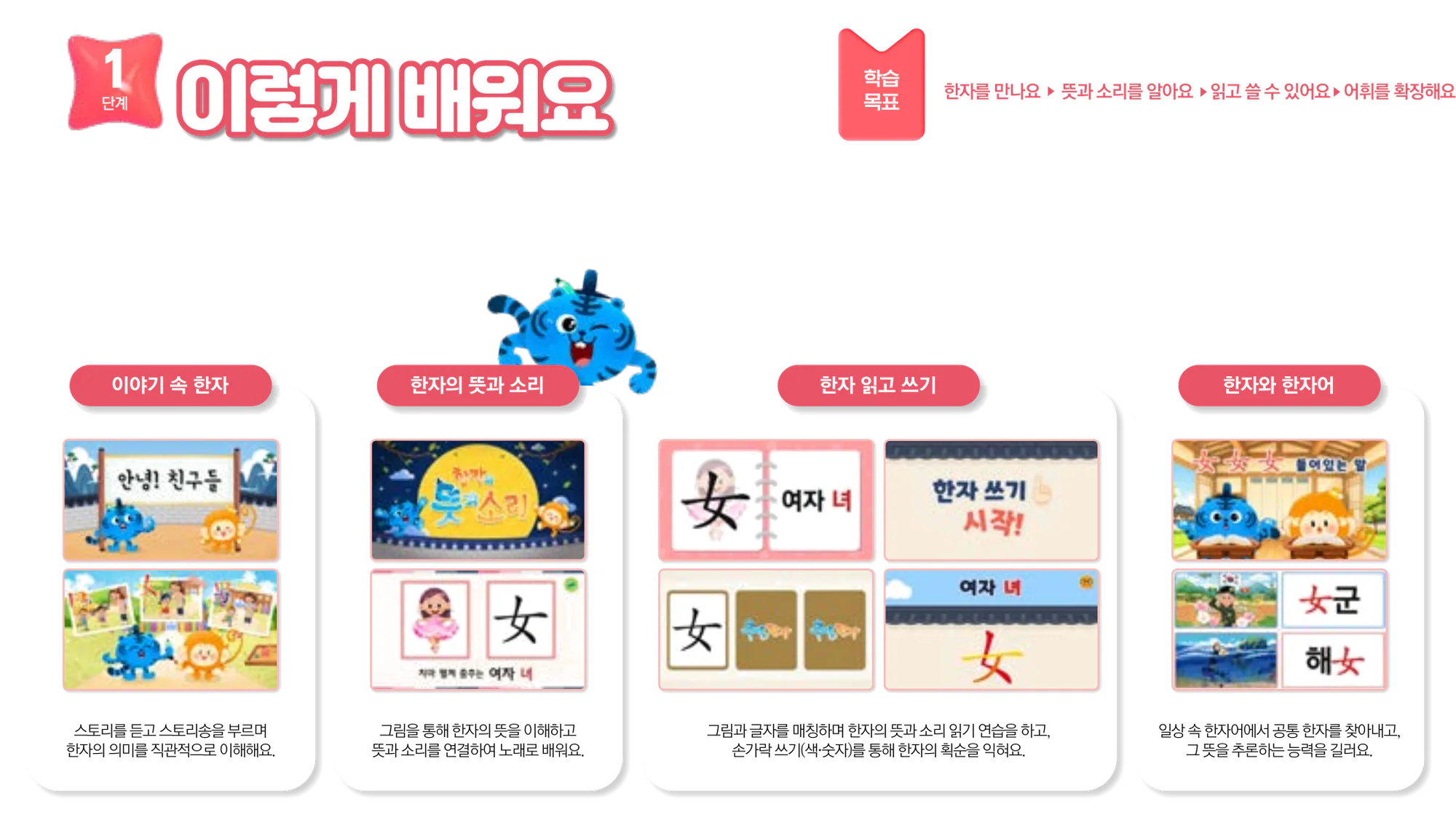
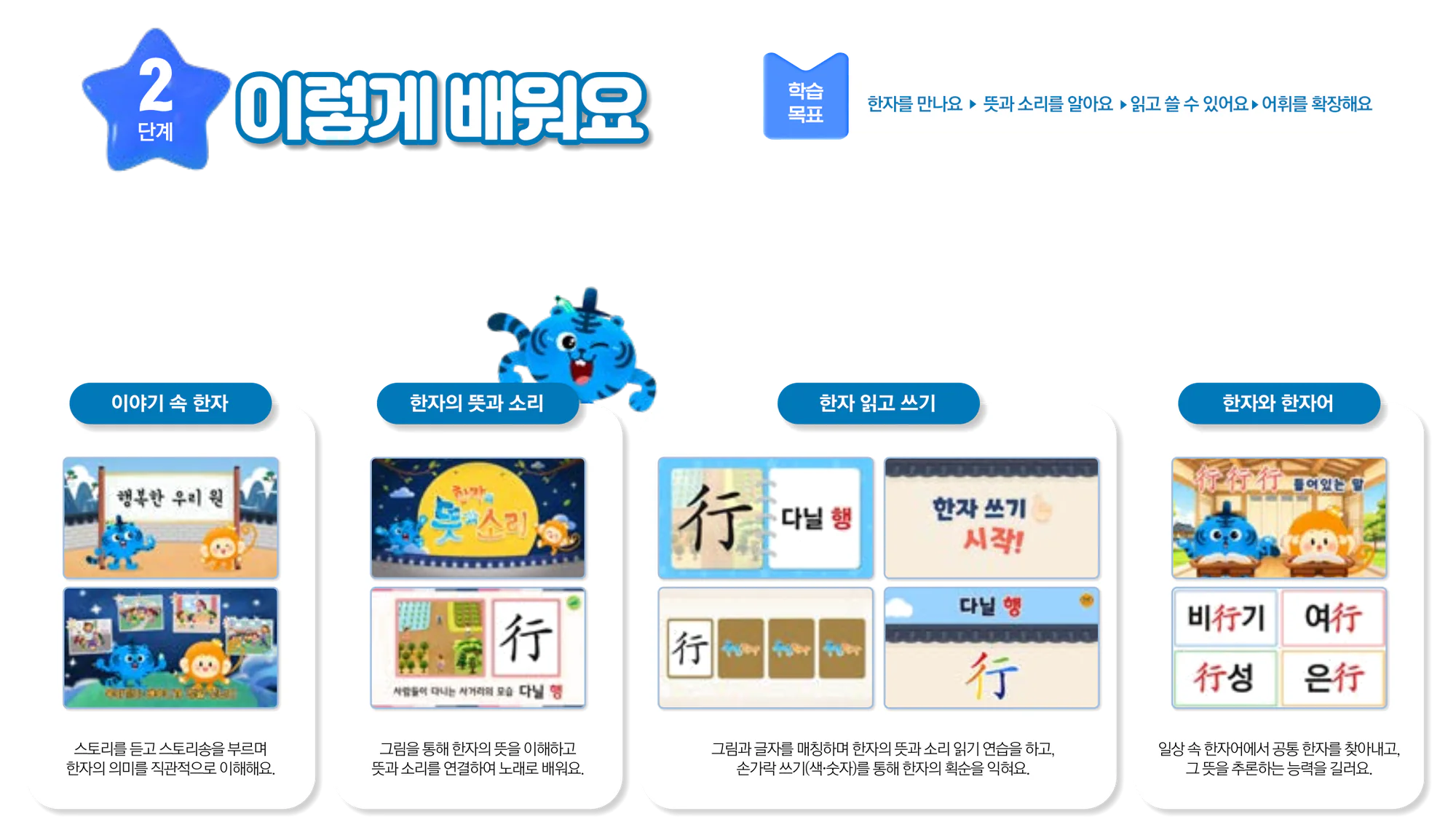
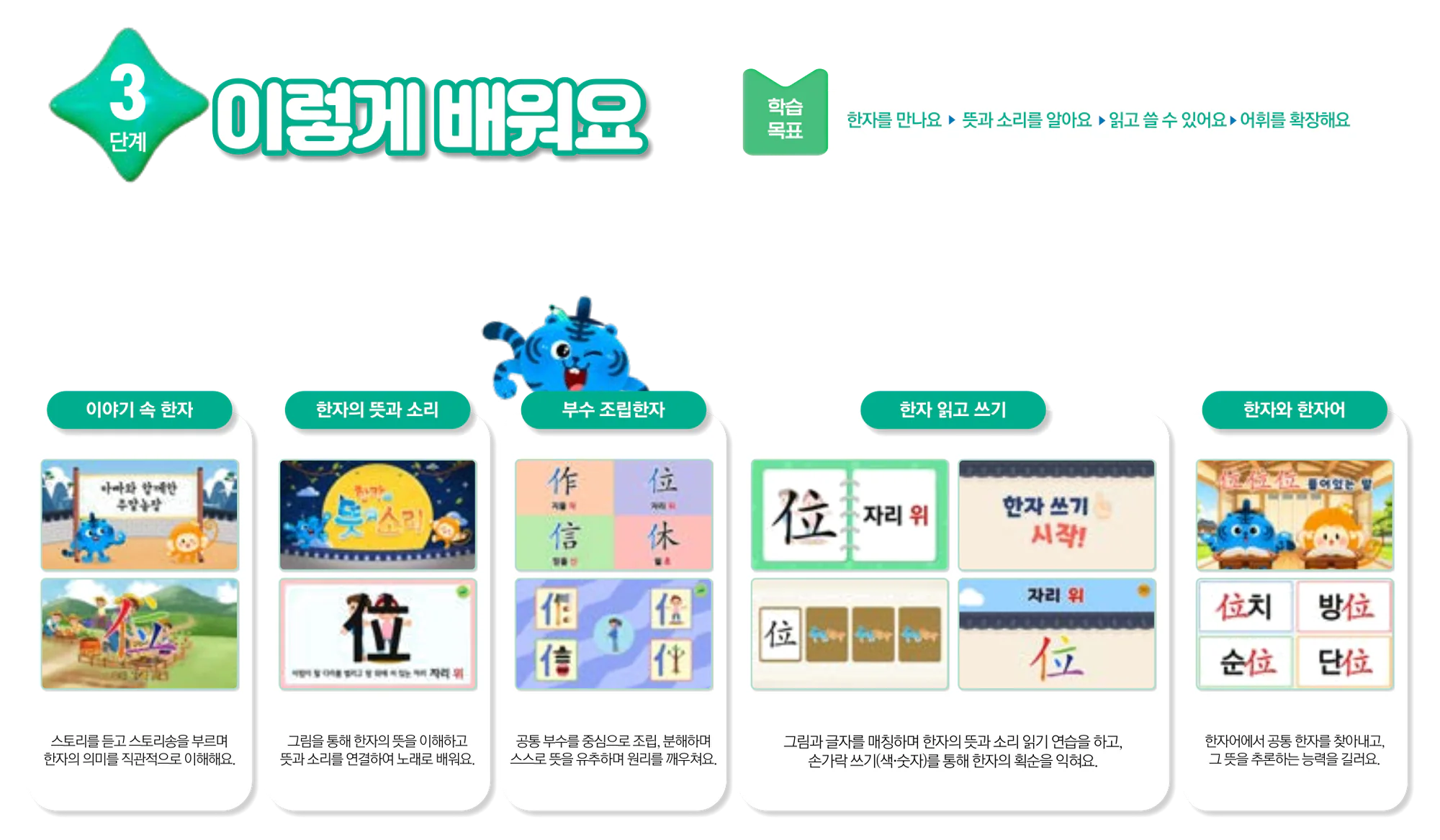
Twelve issues a year per stage — four weeks from characters to words
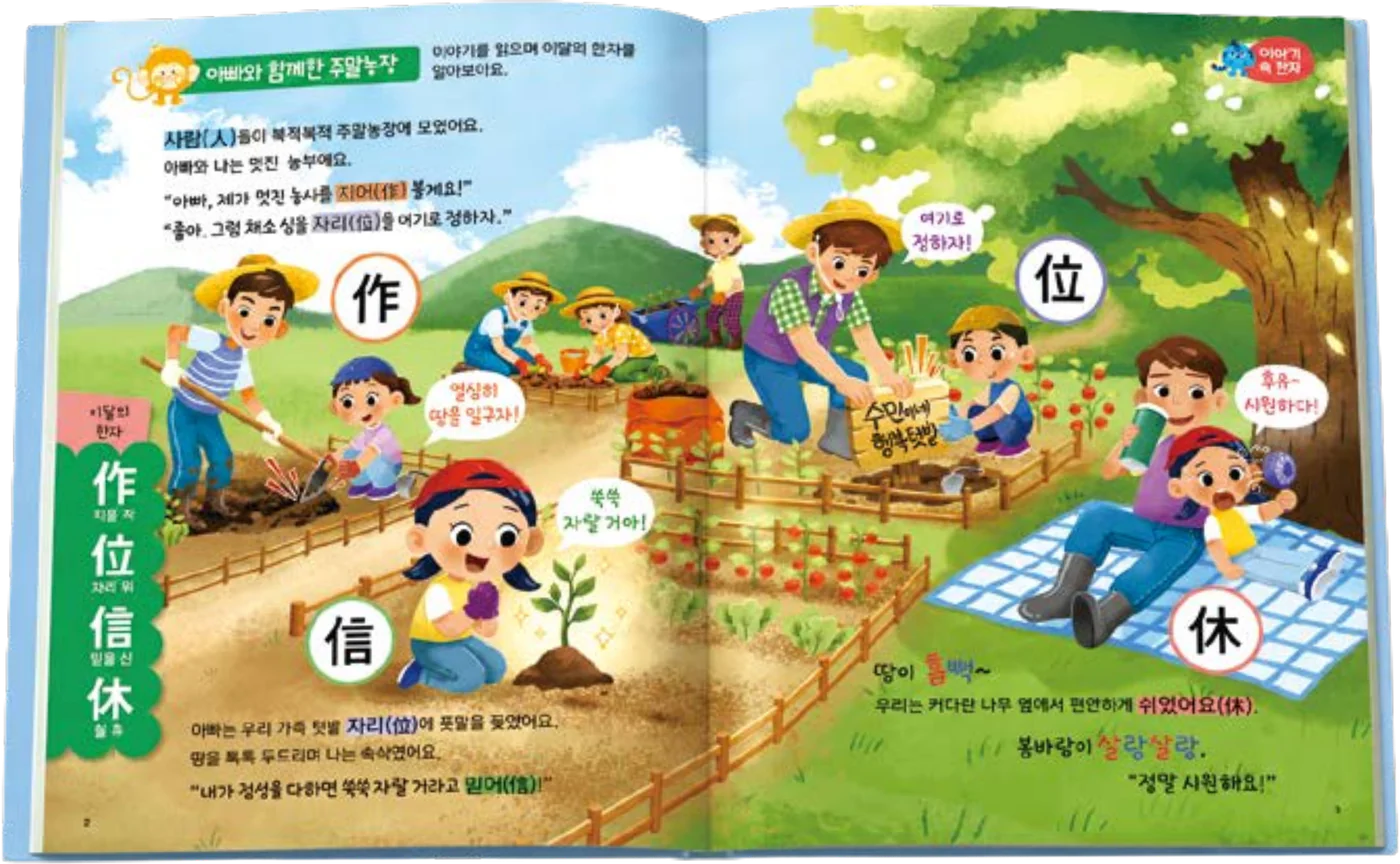
Stories full of context imprint each character’s meaning as an image, understood intuitively.
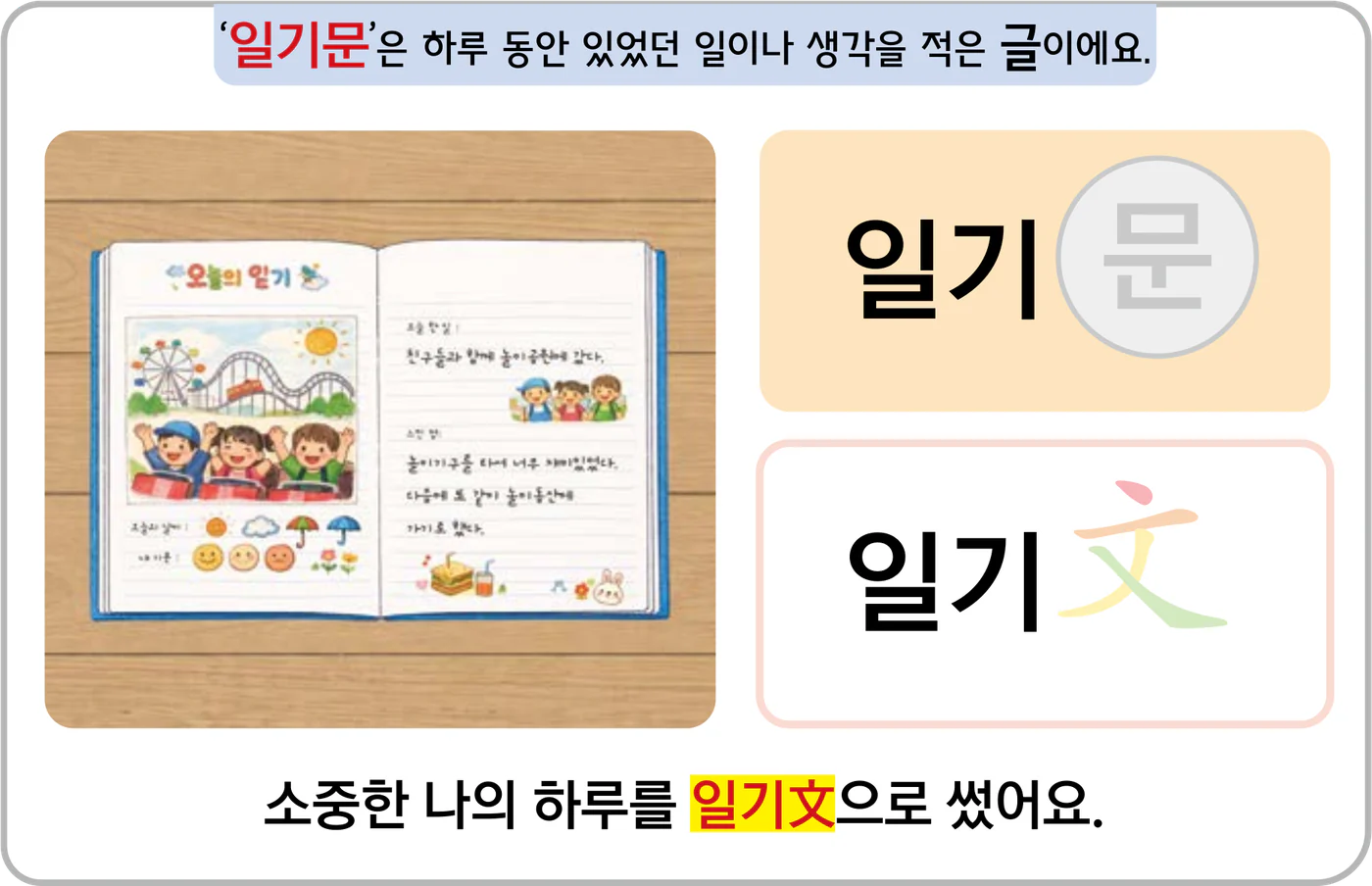
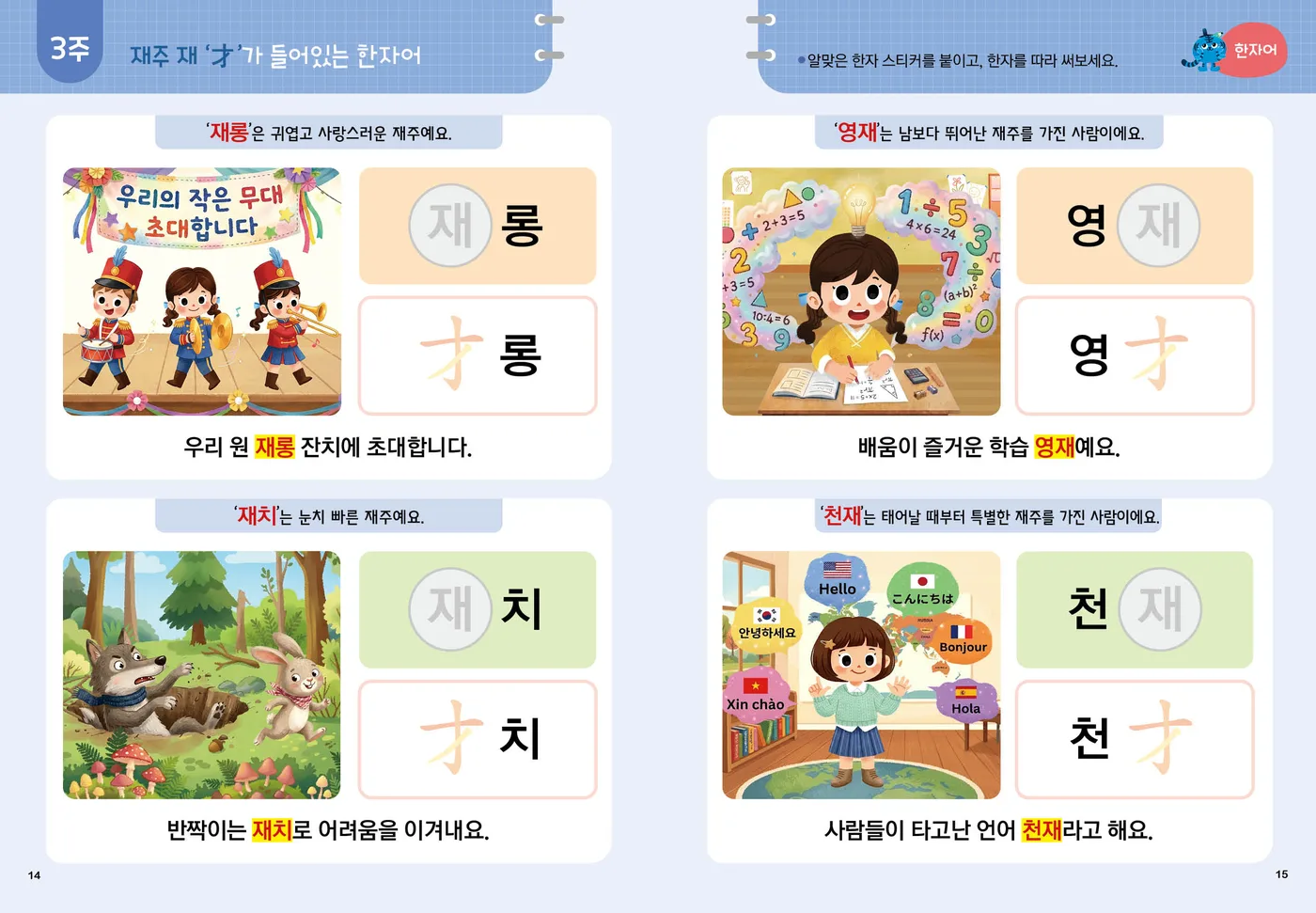
Beyond single characters — expanding into real-life words builds reasoning about vocabulary and sets the skeleton of Korean literacy.
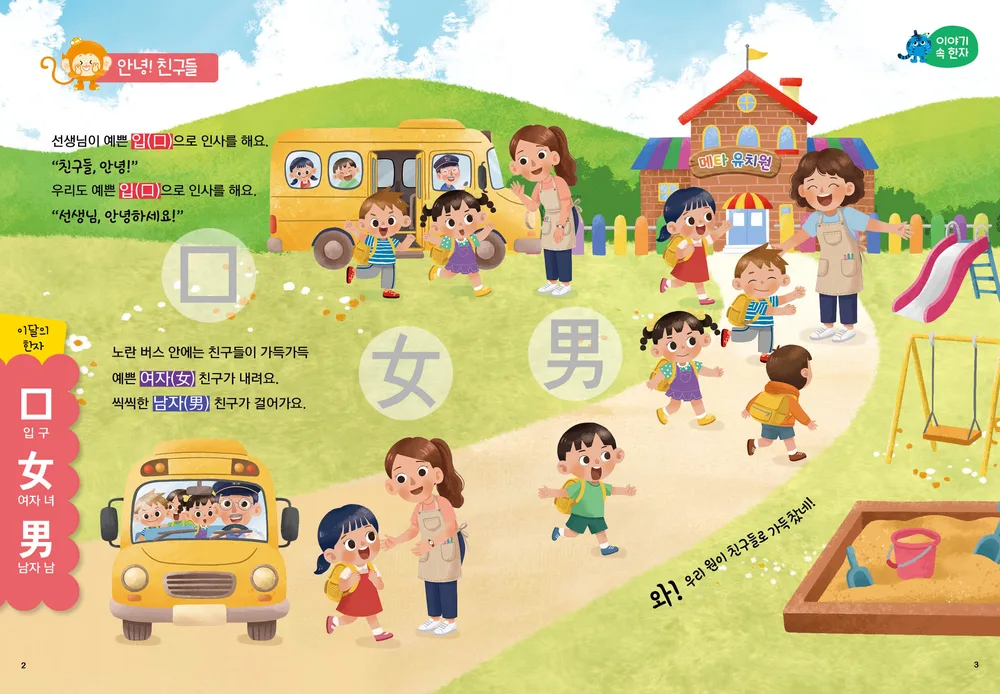
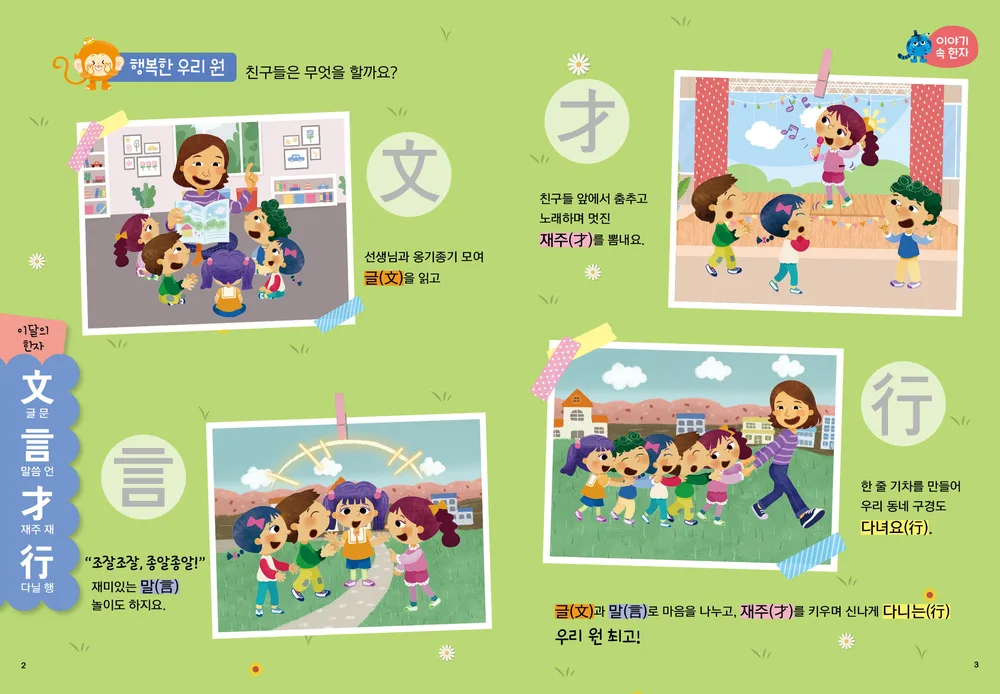
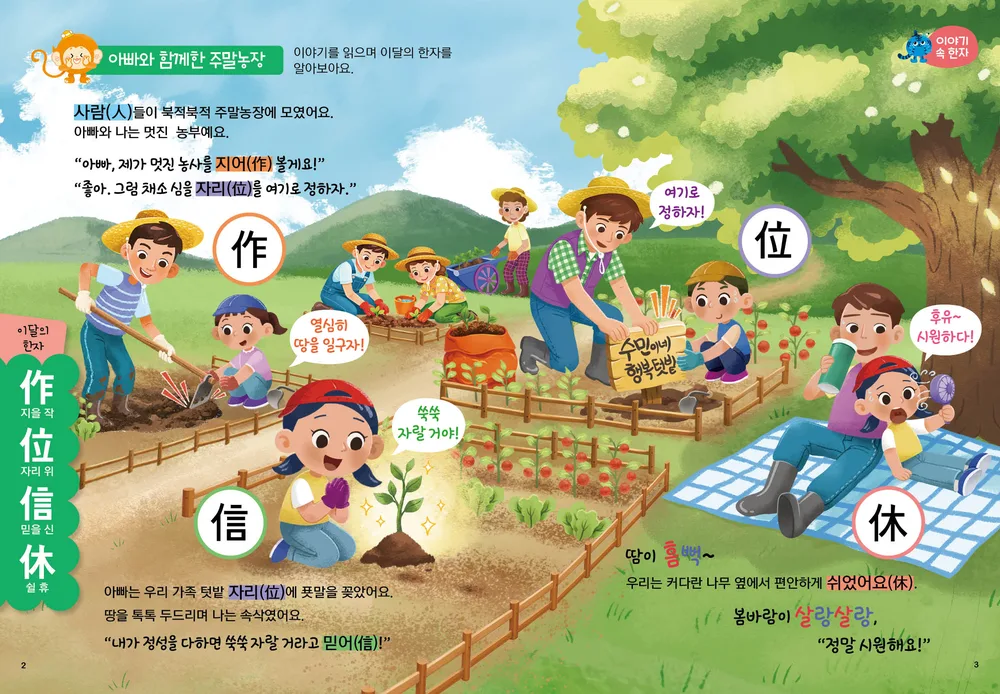
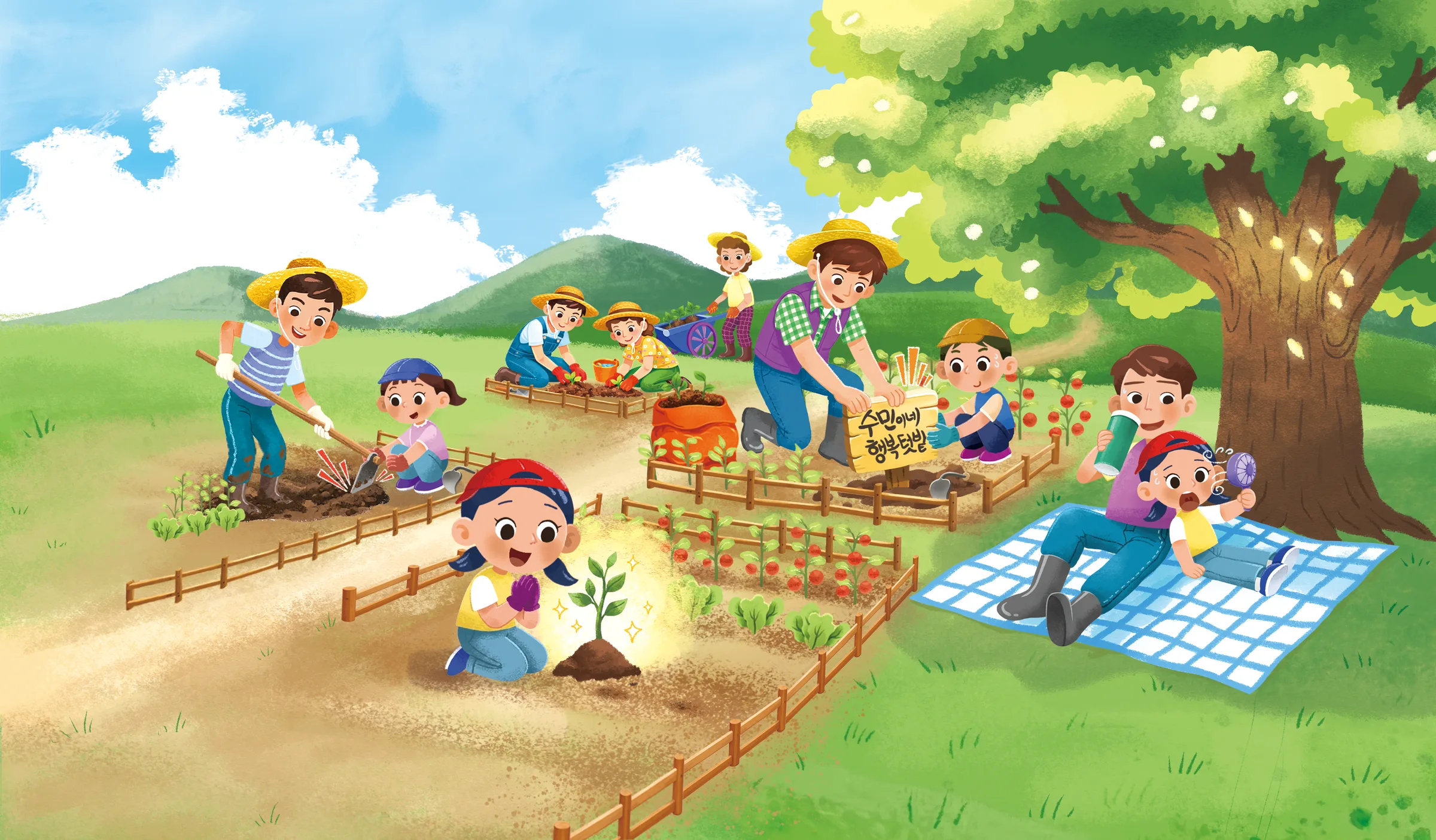
Meta Reasoning Hanja is presented through stories built on themes familiar from daily life.
Through stories grounded in experiences children actually have, the meaning of each character is imprinted as an image and understood intuitively.
Beyond single characters — expansion into real-life words builds reasoning and the skeleton of Korean literacy.
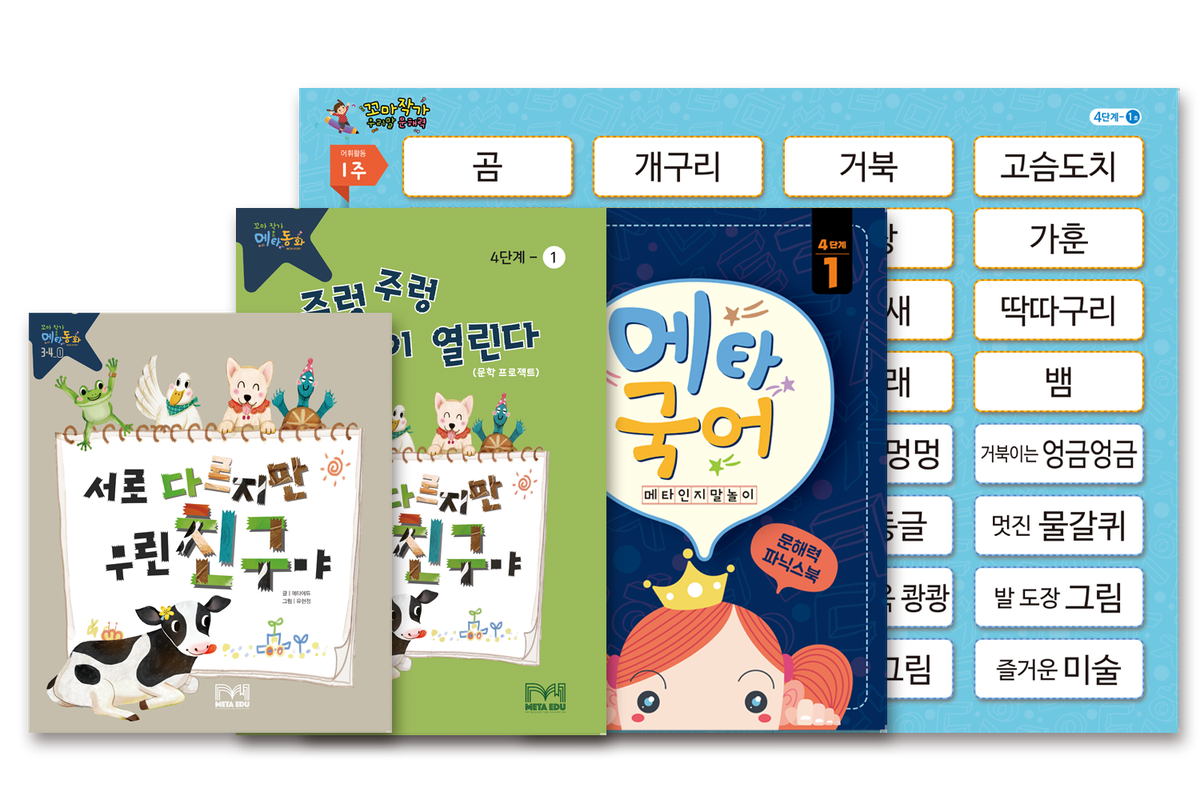
Meta Korean stages 3–4 — expanding background knowledge through dictionary and encyclopedia sentences
 Learn more
All ages · Issue 1
Age 6 · Issue 1 · Week 1
Age 7 · Issue 1
Leave a consultation or partnership enquiry and we will get back to you.